Parts of my life are changing, so my article production has crawled to a snail's pace, unfortunately. I'm hoping that as I get into this new routine, I can get back into the swing of things. In the meantime, I've finally gotten around to these four from 1991. They're a curious collection of albums, full of interesting ideas with some curious execution. Still, here's what I got around to in the past month, so let's get into it!
Metal Church - The Human FactorI know I've talked a lot about Metal Church on this blog, but I haven't reviewed any of their albums, so let's fix that right away! I love their first two albums, but I've always struggled with their third Blessing in Disguise. Mike Howe is a great singer, but the songwriting always felt a little off to me for some reason. They're not bad songs, but they've never really clicked with me, either. Still, it ended up being their most successful album so far, so with the same lineup, they charged ahead into their fourth album.
Right off the bat, they come out swinging with the title track, a cry for more humanity in music and performance (a surprisingly prescient topic these days). The rest of the album matches that intensity, as the band is really bearing their heart to the world, digging into social and political issues. This leads to some pretty aggressive songwriting as they express their anger, but it also makes the songs feel very wordy and long, as they have a lot to say about each topic. The performances are top notch, with plenty of chunky riffs and shreddy solos. Mike Howe remains a great singer, giving each song the right amount of emotion and bite. This really is the epitome of the melodic thrash sound.
Unfortunately, I'm in the same mood as I am with Blessing in Disguise. I can recognize there are some good ideas here, but it's not quite clicking overall. While the former album wandered into some weird proggy digressions, this one seems to be all about frustration without much closure or catharsis. There aren't any bad songs, but none really stand out to me either. Perhaps this one will grow on me as I continue to revisit it, but for now, it's decent, but not really amazing.
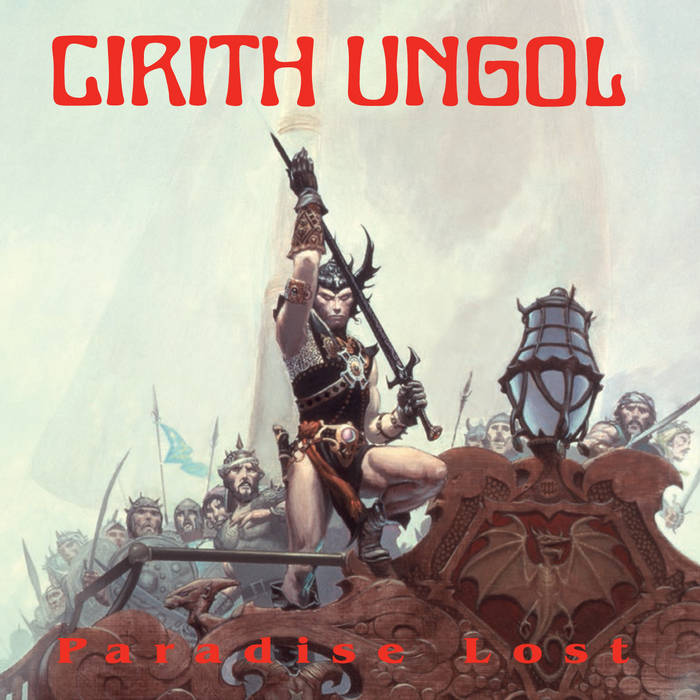
Cirith Ungol - Paradise LostWhile their last album was an interesting shift, taking out the doomy atmosphere for some more traditional metal energy, it took them five years for the next one to come out. In that time, they replaced their guitarist and bassist, which pushed their sound closer to US power metal.
Once again, the production is very clean, and the riffing very traditional metal with a lot of 80s swagger. However, it also means that the sound has shifted away from what they were doing before, with Tom Baker's iconic wailing being the only thing that reminds you that this is Cirith Ungol. He even sings on a few tracks, like the opener "Join the Legion" and "Go It Alone," which has a very pop metal feel to it, like it was meant to be a single. Another upbeat song "Heaven Help Us," an environmental call for help, features Robert L. Warrenburg on vocals, nearly replacing Baker. It's not a bad song, but it barely feels like it should be on an Cirith Ungol album at all!
Other songs are a bit of a mixed bag. Their cover of Arthur Brown's "Fire" isn't bad, but "The Troll" has some very strange, dissonant melodies. Fortunately, the end of the album brings back some of the band's epicness, starting with "Chaos Rising," which is a very good eight-minute number that starts somber before going full chugathon, "Fallen Idols," which features some nice doomy elements, and the title track that closes the album has that Cirith Ungol swagger we all know.
Overall, it's not a bad album, but most of it is a significant departure from everything they've done so far. Unfortunately, the band would not last long after this, stating that they were not getting support from their label at the time. While I know they were later reunite, this album is an awkward end to their 80s era.
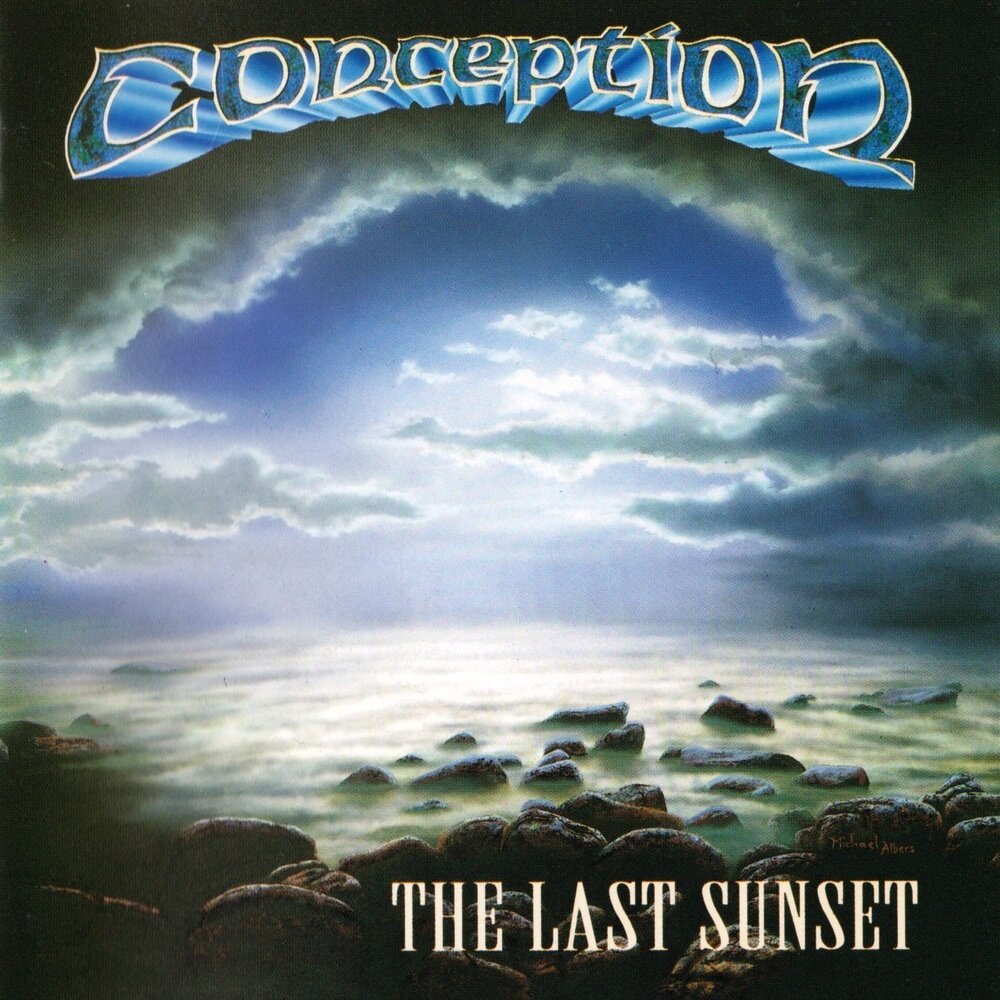
Conception - The Last SunsetOriginally started as a group of guys covering metal songs for fun, the band evolved into a progressive metal outfit, and to match their new direction, they picked up the iconic singer Roy Khan, who would later be better known for joining Kamelot as they switched to a power metal sound. As that band got big, Conception ended up becoming a bit of a footnote, despite their success in their home country of Norway. Now, after being a massive Kamelot fan all these years (especially of the ones with Roy Khan), I am finally digging into these roots to find out where he got his start.
While most websites define them as progressive power metal, they aren't much like what one might think of with that label. Instead of sounding like Angra or Blind Guardian, they seem to have an 80s speed metal core with various little gimmicks and deviations in each song. As a consequence, the songwriting sometimes feels a little strange and clunky, but never feels disorienting or alien. There are a lot of groove-driven songs in 6/8, shifting rhythms and layers around, and there are a handful of thrashy sections as well. Roy Khan himself is a little stiff, leaning hard into his classical training, but he's still a great singer. At times it sounds like he's singing for a doom metal band, despite the high-speed shredding going on around him. The rest of the band is quite good, though, playing through these somewhat complex songs with ease. Guitarist Tore Østby gets to show off his range of skills, going from somber, acoustic playing to neo-classical exercises, all of which flow well. The bass and drums of Ingar Amlien and Arve Heimdal are solid, getting to explore a lot of rhythms and change-ups through these songs.
Ultimately, this is a fascinating debut effort, despite some stiffness, as I was never bored listening to it. "Building a Force" is a solid opener (after the obligatory instrumental track), and "Fairy's Dance" had some interesting back-and-forth between the dark verses and the uplifting chorus. Some of the tracks do feel a little awkward at times, or just plod along, but the epic closer "Among the Gods" has a lot of theatrical dynamics, going from metal to flamenco and back again. It's not a great album, but it does a lot well to stand on its own.
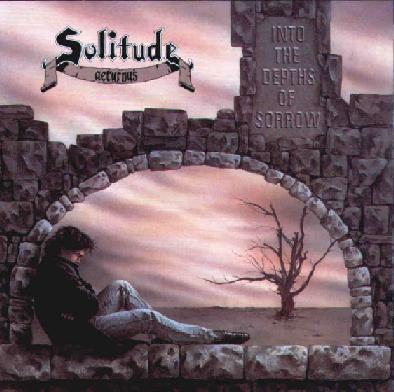
Solitude Aeturnus - Into the Depths of SorrowAnother debut album, this band started when guitarist John Perez was tired of thrash and wanted to do something closer to the likes of Witchfinder General and Saint Vitus. It took a while, but he finally pulled a band around the name, featuring Robert Lowe on vocals, who I discovered on one of the albums he did with Candlemass. Eager to dig into some more heavy metal roots, I wanted to give this doom metal band a chance.
Right off, the production is a bit rough. In an effort to create a wall of sound, they've added just a bit too much reverb, making the music feel a little too mushed together. The drums in particular sound a little lifeless, especially with the dull thud of the bass drum, which is a shame because John Covington plays very well, adding lots of fills and even getting in a lot of double-kicking on his bass drums, giving these slow songs a unique energy. John Perez is joined by Edgar Rivera on guitars, and they play with plenty of range: sometimes melodic and haunting, sometimes fast and shreddy. Robert Lowe vocals don't have his theatrical elements yet, going for a more mystical, moaning style of singing, but it works with the material well enough. It feels like they have the basics of a solid sound, but they haven't worked out the kinks, and while the songwriting isn't bad, it's clear they haven't quite stepped out of the shadows of their influences quite yet.
It's not a bad debut, but the lack of polish and experience holds this album back from really being great. The album plods along well enough, though I enjoyed the tempo change-ups in "Destiny Falls to Ruin" and "White Ship" quite a bit. It's a good starting point, but not really a highlight of the year, or of the doom metal genre.