Showing posts with label Classic Metal. Show all posts

Saturday, May 23, 2026

Retro Reviews - May 2026 Part Two!!

So I'm still chugging along with these Retro Reviews, and this handful is a bit weird, but I'm sure fans of mid-80s rock music will recognize most (if not all) of these.  This era was huge for rock and metal, as they dominated the airwaves and MTV alike.  While not all of them are winners, let's kick things off with a pair from one of the titans of the decade!

Journey - Frontiers

After the incredible success of Escape, the band kept rolling along, finding time to record their next album in breaks during their touring.  While Jonathan Cain adds a lot more synths this time around, Frontiers is chock full of great melodic rock from start to finish.

Once again, the big hits stand out. "Separate Ways (Worlds Apart)" is incredibly cinematic and starts the album with impact.  This might be my favorite Journey song.  "Send Her My Love" is more somber, but has a nice vibe, really leaning into the feeling of longing for a past love.  And then there's "Faithfully," which has been named as possibly the best power ballad of all time (and it's hard to disagree!).  As for the rest, they're also pretty good, though there are times where the synths do overpower the song, most noticeably on "Edge of the Blade" and "Rubicon."  However, these are small issues as the songwriting is consistent throughout.  "Chain Reaction" and "Edge of the Blade" have good energy, while "After the Fall" is another solid AOR track.  "Back Talk" features Steve Perry rap-singing over a Bo-Diddly beat (which I liked more than I was expecting), and the title track brings back some of their proggy elements, making me think of 80s Rush between all the synth layers and rhythmic syncopation.  Honestly, there isn't a bad song on here.

This just might be the perfect AOR album.  It isn't any wonder at all a record label dedicated to the genre would be named after this release.  As good as Escape was, with its big hits, I think Frontiers is the better album overall.  It just feels more complete and consistent in quality.  Steve Perry's voice sails over the band wonderfully, Neal Schon goes back and forth between melodic soloing and shredding, Cain adds the right amount of drama with his synths (maybe a little too much sometimes), and the rhythm section of Steve Smith and Ross Valory keep things moving to ensure no song feels stuck in a rut.  A dynamic performance from all involved and (probably) the peak for this band's output.  Basically, I liked it a lot!

Journey - Raised on Radio

At the end of another successful tour, Journey decided to take a small break, during which time both Steve Perry and Neal Schon worked on side projects.  While there was some concern that the band was breaking up, but Schon made it clear that was not the case.  However, as the band got back together for their ninth album, there was some tension, resulting in the firing of bassist Ross Valory and drummer Steve Smith, largely replacing them with Randy Jackson and Larrie Londin, respectively for this album.  They would end up taking drummer Mike Baird on the subsequent tour.

Right off, the production is pristine.  The band was eager to make use of the latest technology for this one, as well as a few new effects here and there.  There is also a stronger lean into pop territory, with elements of funk and soul as well.  While it isn't a massive shift, I understand Steve Perry had a lot more control over things this time, and so it ends up sounding a lot like his solo album Street Talk.  This isn't a bad thing, as these songs are still pretty good, but with only a handful of full-on rock songs, Neal Schon doesn't seem to have as much to do, other than play some solid melodic solos, with a few shreddy bits thrown in.  I wonder if the idea was that, since by 1986, metal had taken over, the band leaned more into their cinematic, soft rock side, which was still somewhat popular, especially in movie soundtracks.  These are not bad songs, by any means, but they certainly have much less impact than the ones on previous albums.

Naturally, the big singles stand out, especially "Girl Can't Help It" and "Be Good to Yourself."  The title track is a fun little song, referencing all the 60s rock songs that influenced them.  "Positive Touch" has some bouncy energy, and "Suzanne" features a good, AOR-style chorus that I liked.  However, the rest of the album just kinda cruises along, with most of it pleasantly passing through my ears, but very little sticks.  It's not a bad album while it's on, but it's definitely a step down from the past handful they've recorded.  

GTR - GTR

So this is a curious project.  After Steve Howe left Asia, his manager suggested a new project with former Genesis guitarist Steve Hackett. Despite their prog rock background, they aimed for a mainstream rock audience, much like what Yes, Asia, and Genesis had been doing at this time.  They pulled together a few other talented folks to fill out the band, but in the end, only ever recorded this one album.

With Geoff Downes as the production, the album naturally sounds a lot like Asia, with layers of synths (mostly played by guitars this time) and a strong sense of drama in the dynamics.  They got Max Bacon to be the singer, and he has a solid voice for this kind of music.  I admit I don't know Hackett's work well enough to identify his contributions, but Howe certainly continues his melodic style from Asia.  The only real shake-ups are a pair of solo instrumental pieces from Howe and Hackett respectively, which are not bad.  I do think the production is a little thick at times, and there really aren't many surprises, but for the most part, these are some standard but well-executed 80s rock songs.  I also liked some of the more mellow spacey segments that showed up at the end of some tracks, and the album did get a little proggy towards the end, which was refreshing.

The album ended up being a modest success, so a second album was started, but in the end, the two guitarists struggled to continue working together and the group fell apart.  A live album was eventually released and a bootleg exists for some of the second album's songs, but otherwise, this project did not last long.  In retrospect, it ends up being mostly a novelty for 80s rock collectors, and a footnote in the history of these guitarists' longer careers.  I mostly enjoyed it myself, but at the same time, I wasn't really expecting much, largely due to its reputation.  Still, I can see this one growing on me with time.

Black Sabbath - Seventh Star

After the somewhat successful but critically mixed Born Again, Black Sabbath technically broke up.  Tony Iommi starting working on a solo album, working with a whole new band.  However, at the last minute, the label insisted on calling it a new Black Sabbath album, despite having a different sound, and so the twelfth album came to be.

I've seen other reviews refer to this as Sabbath's attempt at the popular glam metal style, and I can see some of that.  The production has a lot of mid-80s polish and synths, and both "Danger Zone" and the power ballad "No Stranger to Love" seem fit for MTV.  Former Deep Purple singer Glenn Hughes does have a very soulful style that fits the more dramatic and sentimental tone for these tracks.  However, other songs actually make me think of the Dio-Sabbath albums.  "Turn to Stone" feels very similar to "Neon Knights" and the title track feels like one of his slow, epic songs.  Honestly, if Dio sang on this, it would fit perfectly between Sacred Heart and Dream Evil.  For Iommi's part, he does play some pretty good solos on here.

The biggest sin is the fact that it says Black Sabbath on the cover.  I'm sure it was hard to know all the industry nonsense going on in the 80s, so fans probably just saw a new Sabbath album and got excited, only to be massively disappointed by what they heard.  Had they gone with a different name (or just kept it an Iommi solo project), I wonder if it wouldn't have better received.  As for me, I think it's a decent album of 80s rockers with a few good tracks (namely those two Dio-esque songs I mentioned).  Certainly not the best from the era, but not the disaster I was told to expect, either.  

Ozzy Osbourne - The Ultimate Sin

Once again, Ozzy releases an album the same year as Sabbath does.  While there had been some behind the scenes drama regarding song-writing credits, once that all got worked out, Jake E. Lee was ready with another batch of songs.  While Bark at the Moon was an incredible album, The Ultimate Sin ends up being a bit of a weak follow-up.

We're still very much in classic Ozzy territory, as he straddles the line between heavy metal and glam metal, and Jake is shredding his fingers off again.  He has some solid riffs and great solos, and the rest of the band plays well.  Unfortunately, the production makes the drums a little too loud in the mix at times, and the lyrics don't feel as inspired as before.  I think part of the issue is that they seem to focus on more grounded topics (personal feelings, political tension, rock 'n' roll), and these are things he's covered before, but there really isn't any horror or fantastical themes as the cover would imply, and so the songs don't really strive to be more than just straight-ahead, mid-tempo rockers, leaving the theatrical elements to the side.  I get the feeling that Ozzy is getting a lot of things off his chest with this one, with "Secret Loser" maybe pushing a little too close to the mirror.  While none of these things are necessarily bad, as the 80s was really start to wear people down in general, but the album does suffer from feeling a little generic, compared to what he's done before.  Having passed earlier this year, it may be a bit rude to be so down on his work, but looking around, it seems that Ozzy didn't care much for this one himself.

This is not a bad album, as you can easily bang your head through most of it.  The title track and the big hit single "Shot in the Dark" stand out the most, with "Killer of Giants" having some decent dynamics as a somber power ballad.  I'm sure most Ozzy fans were content with this one, but in retrospect, I feel this one doesn't rank high in his discography, as it tends to pass in one ear and out the other.

Wednesday, May 6, 2026

Retro Reviews - May 2026 Part One!!

Here is the first of a very long stretch of retro reviews for 1986.  Turns out, there's a lot I want to review!  This article will be all about German metal, as I guess the metal scene there really picked up through the middle of the decade.  I will also be following up on albums that I checked out last year, so expect a few links to previous articles.  At the very least, it makes for a solid slab of thick, crunchy metal!

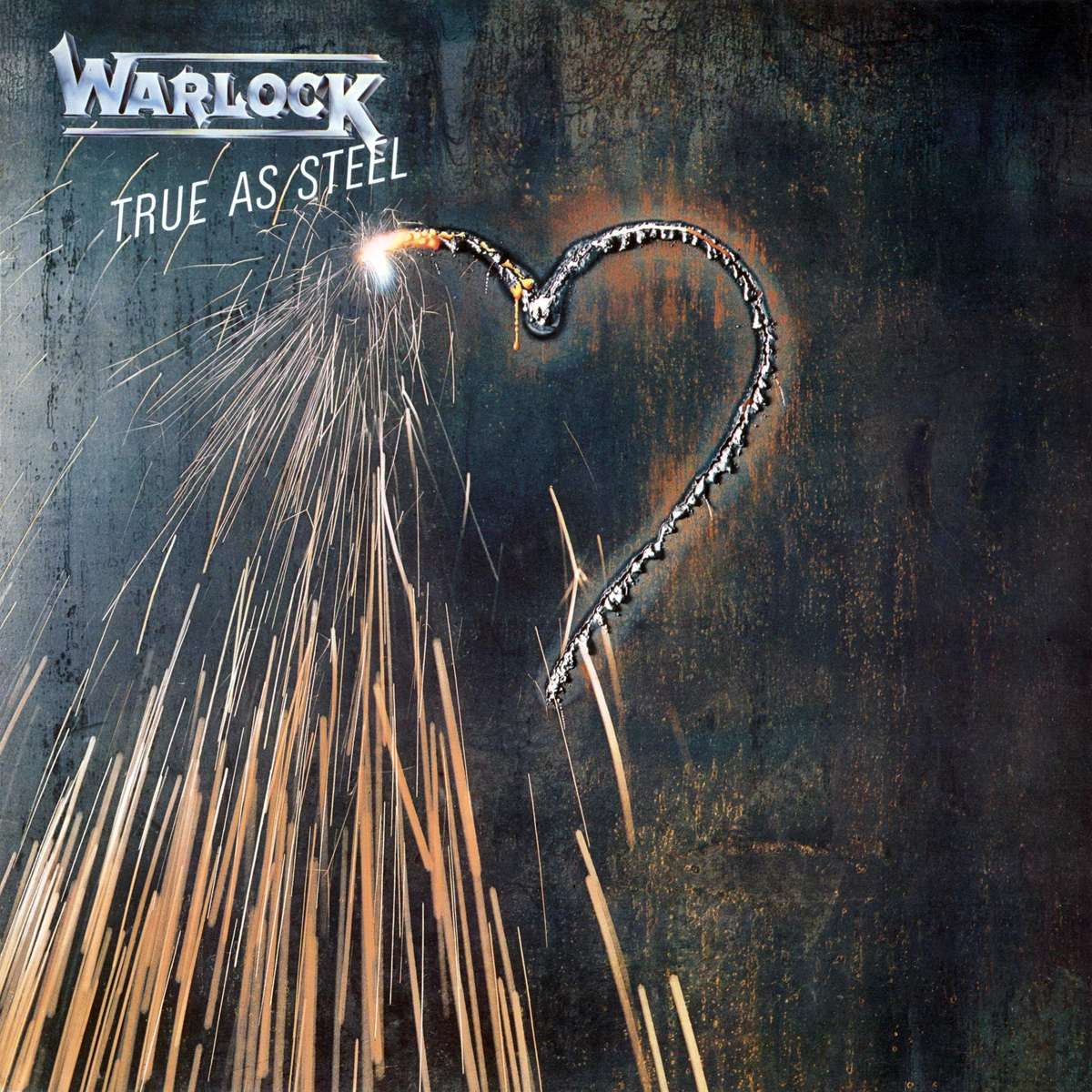
Warlock - True As Steel

Let's kick things off with the Queen of Metal herself!  While their first album got them some fans and their second pushed into some heavier territory, True As Steel definitely leans more toward a bigger, more commercial sound.  With new guitarist Niko Arvanitis, they forge another slab of metal that tries to go big, and sort of succeeds.

Right off, the production is thicker, going for this massive wall of sound meant to fill arenas.  Unfortunately, it kind of buries Doro's voice.  There are times where there is so much reverb on it, it sounds like she's singing in a cave.  However, this bigger production makes their songs feel more cinematic in style, as they are often telling stories with the lyrics.  The performances are certainly tight, especially when they play the faster songs, and there are some neat ideas, but I think the production gets in the way more than it should, making it hard to really enjoy the songs on their own.

That being said, once you get used to it, there really is a lot to enjoy.  "Fight for Rock" and the title track are solid anthems, "Love in the Danger Zone" and "Love Song" are decent ballads, and I rather liked "Vorwärts, All Right!" for having good energy.  Having the closer "T.O.L." be instrumental is a curious choice, but over all the album is not bad.  

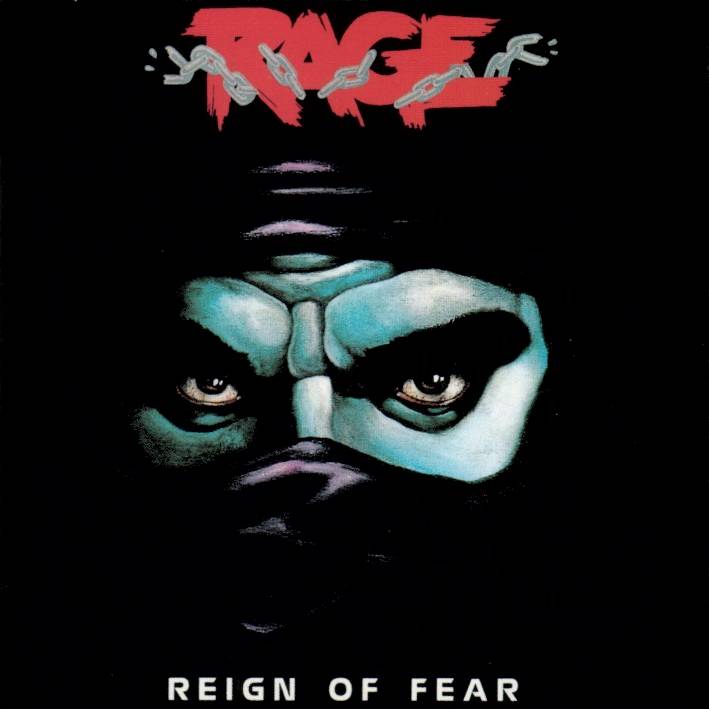
Rage - Reign of Fear

This is another band I've often seen get grouped with Grave Digger and Running Wild over the years.  They started off as Avenger, releasing an album and an EP.  I listened to them last year, but ended up not reviewing them as I felt I didn't have much to say about them.  They're not bad, just some pretty average German heavy metal.  After a name change, they decided to pick up quite a bit of thrash metal energy.

It really is quite the shift, right from the get go.  The first handful of tracks definitely sound like very early Slayer and Megadeth, eager to go fast and play some very aggressive riffs!  The opener "Scared to Death" starts off with this ominous, symphonic swell, but then blasts right into high speed fury.  "Deceiver" gets even thrashier, while the title track and "Hand of Glory" ease up things a little, but retain a very thrashy attitude.  It's not until "Raw Energy" that the band slows down to something more typical of Judas Priest, but it's right back to speed metal for "Echoes of Evil."  Overall, the album remains pretty fast and aggressive, with few exceptions.  The biggest deviation was the CD-only bonus track "The Scaffold," which starts with some nice acoustic guitar playing before getting into a more doom metal sound as it plods along pretty well.

It's hard to know how much I like this album.  I'm not a big Slayer or Megadeth fan, but there is more melody here than on Hell Awaits or Killing Is My Business.  "Scared to Death" and "Hand of Glory" in particular lean a little into Metal Church territory, so I liked those the most.  At the very least, it's not a boring album as they play with incredible energy and precision.  While the Avenger material wasn't bad, those songs definitely feel like a different band compared to what they've done here, so perhaps the name change was justified.

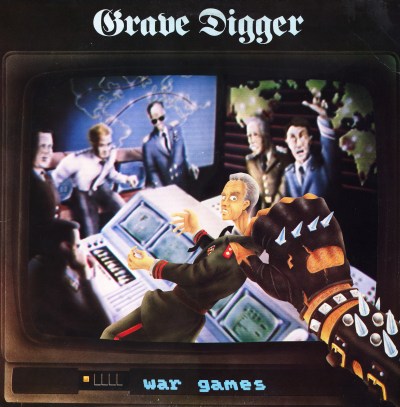
Grave Digger - War Games

Speaking of Grave Digger, I enjoyed their sophomore effort, though it was pretty rough stuff, overall.  Bassist C.F. Brank joins the band, but it's the same recipe as before as they blast through another chunk of 80s heavy metal.

While much of what worked on Witch Hunter sticks around, with plenty of chunky riffs and shreddy solos, I feel like this album is less experimental and more interested in settling into a conventional metal style.  However, I think they're comfortable with what they've created, making for a more consistent album overall.  Once again, they channel Judas Priest and Accept, and I found I liked the ones that leaned more Accept, like "Heaven Can Wait" and "Paradise."  "Fallout" even has a dark atmosphere as they discuss the destruction of nuclear bombs.  The strange instrumental "The End" that closes the album is really the only piece that seems different, going for a more cinematic little song than anything resembling rock or metal.

However, some tracks do feel kinda paint-by-numbers.  "Let Your Heads Roll" is a pretty standard song about rock 'n' roll, and "Love Is Breaking My Heart" is a very typical power ballad that any other band could have written.  While I don't know whether or not it's better than Witch Hunter, I would say that this one is more accessible.  Whether or not that's intentional, I don't know, but I do know that they would push for more accessibility with their next album.

Digger - Stronger Than Ever

Simplifying their name to just Digger, and replacing Peter Masson with Uwe Luwis on guitars, Grave Digger were certainly courting a more mainstream audience (if the robot duck flexing his arm on the cover art wasn't a clue itself).  I wasn't able to find out if this was something the band wanted to, or if they were pressured by their label/manager/etc.  In any case, the result is a very curious mixed bag of songs.

It's a weird album where their efforts for a more poppy sound are only on a few tracks, while others retain their furious speed-metal sound, making for a very clunky listen.  Things start with "Wanna Get Close," which sounds like a very typical 80s glam metal rocker for MTV, as does "Stay Till the Morning," and the title track wanders into AOR territory.  But then you have songs like "Lay It Own" and "Shadows of the Past" that are full of high-tempo energy, making me think of their messy first album.  Even the mid-tempo songs like "Moonriders" and "Stand Up and Rock" feel more like typical Grave Digger than anything radio friendly.  Chris Boltendahl switches his singing style based on the song, trying to be clean for the more accessible ones, but roaring as usual for the others.  While there have been a few keyboards in the past, the synths are quite prominent here.  They're cheesy, but not out of place.  I did like "Don't Leave Me Lonely," as the uptempo parts made me think of Walls of Jericho-era Helloween, but overall, this album is an awkward listen.  Part of the problem is that the band doesn't seem to be as into things unless they're doing the fast songs, leaving some rather uneven performances (though the production is quite nice).

I can see why fans would be frustrated with this album.  While it does have some of the Grave Digger they know and love, it feels compromised in its efforts to find a bigger audience, which it never did.  After this album, the band broke up, and Chris and Luwis focused on a new project called Hawaii.  That group only ever recorded a demo, but as they carried on, they decided to pick the Grave Digger name again and reboot themselves in the 90s.  I'll probably get to those at some point, as I am curious, but it may take some time before I get back around to this band.

Accept - Russian Roulette

Let's finish this article off with these German legends.  While Metal Heart was successful, it certainly leaned towards a more commercial sound, which ended up being a mixed bag in terms of quality.  Accept decided they weren't completely satisfied with that and decided to go back to their gritty roots with their next one.  They also decided to focus on a strong, anti-war theme, considering it a stupid game, like Russian Roulette.

Not that all the songs talk about war, as they cover other topics typical for them: monsters, empowerment, and masculinity.  They definitely get right to it with the opening track "T.V. War," a solid speed metal track to get things going.  However, songs like "Monsterman," "It's Hard to Find a Way," "Walking in the Shadow," and "Man Enough to Cry" lean into some very typical 80s metal.  They're not MTV fodder, but there certainly is a strong AC/DC vibe on these songs.  The title track gets rather somber, as does the 7 minute "Heaven Is Hell," showing the band's range.  One thing they did keep around was the emphasis on gang vocals, appearing on most of these songs, giving them a more anthemic touch.

While I do think this is an improvement over most of what was on their last album, I also find there is isn't a whole lot that stands out.  It's a good pick-and-mix of their various staples, and it's all played well enough, but it's hard not to feel like I've heard them do each of these better on previous (or later) albums.  It's not a bad album, and perhaps something of a refocus for the band, but not much more.

Thursday, April 30, 2026

Top 5 of 1981!

Like I mentioned in the Anniversary Article for this year, there was a lot of stellar music in 1981, so putting together a Top 5 was difficult.  There were no obvious winners, but more than a handful solid albums, and it took quite a bit of nit-picking to get the list down to five.  Naturally, there are a lot of honorable mentions, including Mötley Crüe's debut Too Fast for Love, Rush's Moving Pictures, and Foreigner's 4.  Even Saxon and Survivor had a chance to get in, but they couldn't quite make it.  As always, this is just my opinion, and I can't listen to everything, but this my Top 5 for one of the best years for melodic rock and metal.


5. AC/DC - For Those About to Rock (We Salute You)

While following up the iconic Back in Black would have been a challenge no matter what, but they certainly gave it a shot anyway.  It's not a perfect album, but it has a lot of energy, and the title track is purely anthemic.  A solid sophomore effort from Brian Johnson as the band keeps doing what they do best.


4. Journey - Escape

I mentioned that this was a shoe-in for the Top 5 in the review, but it was a matter of where.  After reviewing all these albums, this isn't as complete as the ones above it, though the hits are iconic and classic.  Despite all the praise I gave it, #4 is the highest I can put it against such tough competition.


3. Black Sabbath - Mob Rules

The second of the Dio Sabbath albums, when I reviewed this, I mentioned it wasn't as good as Heaven and Hell.  While I do still feel that way, it doesn't change the fact that it's still a very solid album.  The title track and "Sign of the Southern Cross" let Dio soar majestically, and I'm thinking I'm liking his Sabbath albums more than Ozzy's (sacrilege, I know), but this is a great album to represent how metal was evolving at the time.


2. Styx - Paradise Theater

When I posted my retrospective of this band earlier in the year, I stated that this album kinda falls off in the second half.  However, when you listen to it as an album, the ending does work as a good match to the start, and solid book ends do help an album seem strong.  There's also a lot of nostalgia for this band, so they were gonna end up pretty high, no matter what!


1. Def Leppard - High 'n' Dry

I internally debated hard about what to put at #1 for this year.  Styx seemed like the obvious winner, but as I continued to listen to Def Leppard's second album, I found it to be very consistent and enjoyable.  Just a lot of solid hard rock.  While it does lean into some AC/DC territory (largely because Mutt Lange was producing), with so many catchy hooks and choruses, I finally decided to put them at the top of what is a very excellent list.  They would go on to bigger things from here, but let it be said with this and their debut, they started from a great foundation.

Friday, August 8, 2025

Retro Reviews - August 2025!

I admit the schedule I had planned for this year has been falling apart as this summer has been rough for me.  For now, I'm mainly going to get these articles out just when they're done.  At the moment, I'm focusing on 1990 for a Top 5 article, and as a consequence, listened to some stuff that I hadn't heard before now.  Featuring both hard rock and heavy metal, this trio of albums turned out to be pretty decent!

Dio - Lock Up the Wolves

While Dream Evil was by no means a bad album, it wasn't a successful as earlier efforts.  This led to quite the shake up in the lineup.  First, Dio brought in Rowan Robertson on guitars, and the two worked together on the new songs.  Jimmy Bain and Vinny Appice would contribute to the writing, but they left before the band got into the studio, replaced with Teddy Cook and Simon Wright, respectively.  Keyboardist Jens Johansson also joined, coming over from Malmsteen's band.  With all these new pieces, Dio crafts his new set of tales, this time with much more atmosphere.

Things start off well with "Wild One," an uptempo speedster (for Dio, anyway), but then the album settles into a slower pace, even doomy at times, as if Dio wanted to reach back to his proggier 70s Rainbow days.  "Between Two Hearts" in particular focuses on a rather sad love story, and the title track, at a stomping eight minutes, provides a lot of mood, much like Dio's work in Sabbath.  There's also a stronger bluesy element, especially on "Evil on Queen Street," with its menacing 6/8 riff.  The album picks up again with "Walk on Water," then settles into cruise control for the rest.  While these slower songs aren't necessarily bad, their long runtimes make a long album feel longer.

I will say that Robertson has some great solos, though, and the rest of the band does well, with Dio still charismatically wailing away as always.  As an album, I'm not sure if I'd say it's an improvement so much as Dio and company flexing some different muscles to provide another slab of epic metal, one that's easy to leave on in the background and headbang away.  While this lineup would not stick around after the tour, their album represents one last hurrah for the 80s style metal that Dio helped define.

AC/DC - The Razors Edge

After truckin' on through the 80s with some mediocre albums, the band carried on, building on the strength of their live touring.  With new drummer Chris Slade, the Young brothers took control of the songwriting.  This time, they've injected a bit more energy, making for quite the capstone for their growing comeback.

"Thunderstruck" starts the album and has been one of their best songs for a good long time.  From the start with the rapid-fire riff, all the way through to its anthemic end, it's peak AC/DC, without a doubt.  The energy sticks around for "Fire Your Guns," "Rock Your Heart Out," and "Are You Ready."  Meanwhile, "Moneytalks" has a catchy, lilting melody and the title track has some very peculiar riffing and chord progressions that got my attention.  The album loses some of its drive by the middle, content to cruise to the end, but none of it is a dealbreaker, largely because of the great production, courtesy of Bruce Fairbairn.  After all the muddy stuff of their last few albums, this clearly is an improvement, making the songs feel big, no matter how simple they are.

Of course, much of what I've said really are nitpicks.  AC/DC remain largely consistent as ever, and my thoughts on any of their albums seem to reflect the band's energy and drive on each one.  With The Razors Edge, the band is more alive, and while it might be a tad too long, there are some good headbangers and solid energy through its runtime.  It's certainly hard to beat this band when they're on top of their game!

Blue Tears - Blue Tears

While Dio was forging ahead and AC/DC was making their comeback, other bands were just getting started, only to be dropped on their heads due to shifting tides and bad timing.  Blue Tears is one such band.  Despite kicking around through most of the 80s, they didn't get picked up by a label until the end of the decade, with this debut album coming out in 1990, just as glam metal was starting to wear out its welcome.  It's a bit of a shame, as this is some pretty solid stuff.

By this point, most glam metal was getting some very shiny production, and this album is no different.  The guitars are crunchy, and the gated reverb makes that snare drum hit like thunder, and most importantly, the vocal harmonies are tight and lush.  Their inclusion of some synths in the back give the band an AOR vibe, not unlike Night Ranger.  Of course, ballads were big winners by this point, and they provide more than a few, though they're not bad.  "Blue Tears" does get a bit cheesy, but otherwise hits all the right marks.  As for the rockers, the album starts with their iconic track "Rockin' with the Radio," and their other single "Innocent Kiss" has a bit of a cinematic tone.  Other standouts include "Crush," with its massive riff, and the energetic closer "Thunder in the Night."

Naturally, comparisons to other glam metal bands like Europe, Poison, and Def Leppard come to mind, but honestly, this album is about as good as any of theirs.  It's not perfect, as a song or two do drag the album down, but otherwise, I found this to be pretty enjoyable.  Unfortunately, when the band started recording their second album, their label dropped them in the wake of the grunge and alternative rock explosion.  Years later, the band would release those tracks (and many others) in some compilations, and later a reunion album (sorta), and I may have to check them out at some point.  Despite some good, catchy tracks, Blue Tears just ended up getting lost in the cracks.

Monday, June 30, 2025

Top 5 of 1985!!

Well, this took a lot longer than it should have!  Turns out that there's a lot of rock and metal for this year, most of which was decent, but not amazing, so it took quite a few listens to figure out where to rank things.  While I do have an obvious winner (or two; I'll explain), the rest of the list was not easy, but eventually I decided I couldn't listen to everything and had to cut things off and choose.  I'm not as confident in this list as I am about the previous ones, but I have to move on.  So, for now anyway, here is my Top 5 for this quirky year.


5. Dio - Sacred Heart

It was tough to decide fifth place, as I was considering everything from Ratt and Accept, to Rush, but Dio's grandiosity won out.  It's not as strong as his first two solo efforts, as the band was starting to fall apart at this time, but you wouldn't really know it from the music.  Perhaps cheesy at times, but still a good amount of fun.


4. Asia - Astra

Once again, it's a drop off compared to this band's first two, as the inclusion of Mandy Mayer of Krokus pushed the band in more of an AOR style, but I think they make it work.  It's not as rich or proggy as the earlier albums, but there's enough of the classic Asia sound for me to put it up here.


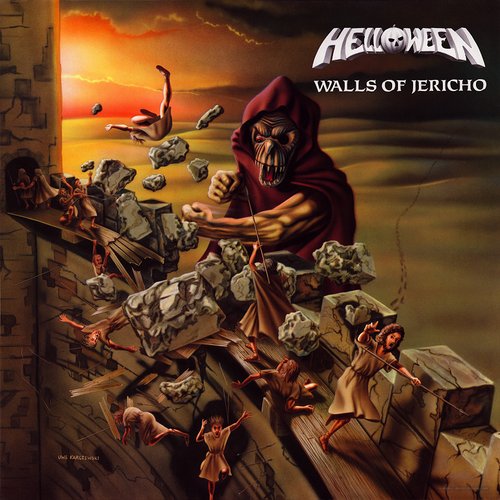
3. Helloween - Walls of Jericho

As far as I'm concerned, European power metal started here.  Yes, it's a very rough album, mainly in classic speed metal territory, but careful listening shows the first steps of epicness, between the neo-classical riffing and Kai Hansen's wailing vocals.  While the band would definitely do better from here, picking up Michael Kiske, but I still find plenty of this iconic band's charm on their debut.


2. Dire Straits - Brothers in Arms

If there was an album that really defined 1985, it's this one.  Pushing their roots rock sound toward more commerciality, only to land on MTV's most sarcastic hit with "Money for Nothing," the band was thrown to the forefront of music listeners around the world.  Fortunately, the rest of the album is solid as well, with the somber title track, the easy-going "So Far Away," and my favorite from the album, the nostalgic "Walk of Life."  While the band had succeeded before, this album made them superstars.


1. The Alan Parsons Project - Vulture Culture/Stereotomy

Okay, so maybe I'm cheating here, putting two albums at number 1, but when they're both by one of my favorite bands, I was left with a hard choice?  Do let them take up two slots on a top 5?  Do I drop one in favor of the other?  Or maybe I just insist that it's my list and so I can make my own rules!  Seriously, though, this is some solid songwriting from a talented core of people.  The first carries on the formula of the previous two albums while the second sees them experimenting again a little.  While I do think Vulture Culture is the better of the two, Stereotomy is no slouch and has plenty of catchy melodic rock to enjoy.  Again, nostalgia plays a major role in putting these two albums at number 1, as I grew up on this band, but I can't think of any other album that can overtake either of these two for 1985!

Friday, May 30, 2025

Retro Reviews - 1985 Edition Part 2!

Yup, another slab of albums from 1985, this time focusing on sophomore releases from bands with two words in their names (I didn't plan that, but that's what happened).  Did these bands succeed in expanding and improving their sound, or did they fall in a slump?  This is the question I asked as I checked out this handful of heavy metal releases, and got some interesting results!

Saint Vitus - Hallow's Victim & The Walking Dead (EP)

This band is one of the classic doom metal bands that helped establish the genre with a sound very reminiscent of 70s Black Sabbath (if their name wasn't a major clue).  I listened to their first album years ago, and found it delightfully Sabbath-y, despite the muddy production.  However, now that I'm working on listening to a bunch of albums for my Top 5 articles, this ended up on the list as something I wanted to follow up on.  Unsurprisingly, it's another chunk of Sabbathy metal riffing and energy, but they mess around with the formula more.

The major thing that's different is that they push into some faster song-writing, with some mixed results.  "White Stallions" is not bad, but the title track is a sloppy attempt at speed metal.  "War Is Our Destiny" shifts its tempo around, starting slow, picking up speed, then shifting back down for the lyrics.  Of course, they retain their Sabbath inspirations on songs like "Mystic Lady," "Just Friends (Empty Love)," and "Prayer for the (M)asses," so the doom hasn't disappeared.  It just seems like they were trying to push their sound in a few different directions to see what their limitations were.  As a consequence, some of the atmosphere is gone, making it hard to just soak into the songs like with their first release.

I saw that Hallow's Victim is often paired with an EP that came out the same year titled The Walking Dead, featuring "White Stallions" again, a song called "Darkness," and the title track, which goes 11 minutes.  "Darkness" goes for more uptempo energy with triplet chugging, but feels a bit sloppy as well.  However, "The Walking Dead" is a plodding doom epic.  It does get a little repetitive, but it's also the song with the strongest sense of atmosphere compared to the rest.

Overall, I think their first album is better, but I can see that this band was trying to blend some new ideas in to see where they could go with their sound.  While I don't think this album and EP are bad, their certainly clunky.  Those looking for more classic doom will find bits and pieces to like, but may not connect with the material as a whole.  

Fates Warning - The Spectre Within

After their first album was a bit of a mess (though some decent US power metal), Fates Warning really come out swinging for their follow-up, establishing a stronger prog metal sound.  This second album is definitely an improvement, retaining what worked before and refining into something that sounds pretty distinct and powerful.

The new level of progressive comes right at the start with "Traveler in Time" with a bunch of mixed meter elements and some pretty curious melodies and harmonies.  The album maintains this proggy attitude throughout, and it feels like a bit of a missing link between early Savatage and Dream Theater's first album, with a heavy dose of Maiden-style riffing and soloing.  Seriously, the guitar work on here is impressive, as Jim Matheos and Victor Arduini really work their fingers off!  All of this would be fine if it weren't for the lyrics.  While John Arch is a great singer, the words feel like they're off by half a measure, not really lining up with the songs' phrasing, so the lyrics sound like rambling as much as singing.  Maybe it's just an attempt to be strange and unique, but the results can feel jarring.  The album ends with the nearly twelve-minute "Epitaph," which is their first attempt at a prog epic, and it's not bad.  I don't think it completely earns its length, as I think some of it is padded just to make it longer, but it was a solid closer.

"The Apparition" and "Kyrie Eleison" were the tracks that stood out the most to me, having some very strong Iron Maiden and Metal Church energy.  Considering the album as a whole, it definitely feels like a band in transition, trying some things to see what works and what doesn't.  However, unlike the Saint Vitus album above, this is clearly a step up for the band.  It's clear that they were settling into their own unique sound with this album, while having some excellent and unique guitar work.

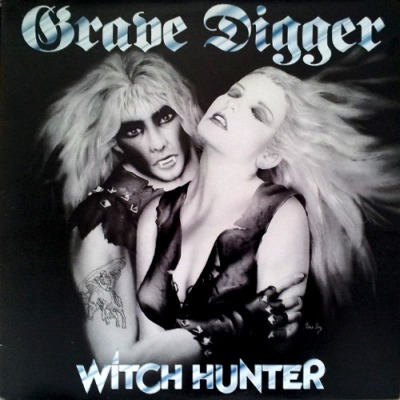
Grave Digger - Witch Hunter

After checking out their latest album, I figured I should dig back into Grave Digger's past.  I listened to their debut years ago, and I thought it wasn't bad, despite being pretty sloppy.  With the follow up, they've definitely tightened up their song-writing and their chops, but once again, they focus on just having a lot of energy to make up for their flaws, and it mostly works.

This is pure 80s German metal, equal parts Accept and Judas Priest, with faster tempos and a harsher attitude, providing mainly by Chris Boltendahl's iconic gritty voice.  The guitar work by Peter Masson is furious and aggressive, and the rest of the band pound out these songs with gusto.  "Witch Hunter" takes a bit to get into with the long intro, but settles into some solid, horror-themed metal, and "Get Away" is a great speedster.  However, some of the other songs tend to have some strange transitions.  "Get Ready for Power" wants to have this anthemic chorus, but the half-tempo approach doesn't match the rest of the song's speed.  "Fight for Freedom" and "Friends of Mine" also have some jarring shifts, going from melodic and slow to thrashy and aggressive on the turn of a dime.  Their cover of Alice Cooper's "School's Out" is quite tame in comparison to the rest of the album.  Of all things, though, I ended up liking the ballad quite a bit.  "Love Is a Game" might seem pretty cliched, but Chris actually croons on it, and he sounds surprisingly good.  I also like that descending riff under the chorus.

Overall, it's a bit of a mixed bag of an album, but most of it falls on the good side, largely because of the energy the band pushes.  This album is an improvement over their debut, and you can tell they're having a lot of fun playing these songs.  Chris gets in some good wails and the solos are often satisfyingly shreddy, making it a bit of a gem that is better for its lack of polish.  Sometimes metal just needs to be metal, and this album shows how that works.

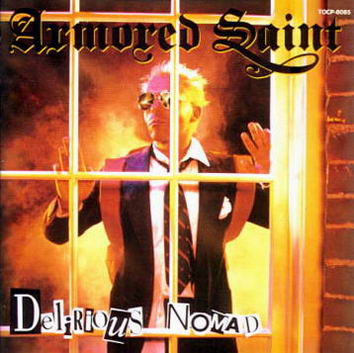
Armored Saint - Delirious Nomad

While I thought their first album was solid, if a bit generic, Armored Saint carried on with a rather quick follow-up, like the other bands in this article.  They ended up getting a producer who worked on Ozzy's first few albums, resulting in an album that has a lot of polish and tight songwriting.  

It really does feel like a blend of what Judas Priest and Ozzy were doing in the early-to-mid 80s, aiming for a more polished heavy metal sound without going full-on glam metal.  John Bush remains a great singer, bringing a lot of swagger to these songs, and there's some solid riffing and soloing.  "Over the Edge" has an interesting bluesy-groove, and "Aftermath" has some curious transitions to different levels of intensity.  Unfortunately, the rest feel very typical for 1985, and I'm surprised that this stuff wasn't put on MTV at the time, as it would have fit right in quite well.   The lyrics do stick to darker subject matter, like revenge, madness, nuclear apocalypse, and isolation, so maybe that kept them out of glam territory at the time.

Honestly, this album feels rather ahead of its time, sounding like some of the later 80s pop metal, like Skid Row, Tesla, and Winger (as there are a few proggy touches).  Like their first, this is by no means a bad album.  Featuring well-written, well-performed songs, you could certainly do a lot worse than many albums that came out at this time.  However, I can't deny that little of it sticks in my mind once I've finished listening to it, making for a bit of a middling release.

Friday, May 31, 2024

Anniversary Series - 1989!

Another month, another Anniversary Article!  1989 is an interesting year, as rock was in the middle of a lot of transition.  Grunge and alternative rock was slowly growing, pop metal was as big as ever, thrash and death metal were finding their audiences, and other genres were bubbling up.  Here's how this year went!

The year starts of with a number of big hits, as Skid Row and Warrant release their debut albums.  The former provided "18 to Life," "Youth Gone Wild," and the big ballad "I Remember You," while Warrant was about the "Down Boys" and "Heaven."  Great White would soon follow with ...Twice Shy, and the sort of title track cover song "Once Bitten Twice Shy."

However, the beginning of the year, saw other iconic releases, such as Doro's Force Majeure, her first album on her own, Metal Church picking up Mike Howe for Blessing in Disguise, and Dream Theater released their debut with When Dream and Day Unite, carving a small niche for progressive metal that they would widen later.  Meanwhile, Seattle was getting a taste of the future with Nirvana's debut Bleach and Soundgarden's Louder than Love.  In the midst of all this, Jon Anderson would leave Yes and form a group with former Yes members called Anderson Bruford Wakeman Howe.  Their self-titled album would be a unique prog rock highlight for the year.

As the year goes on, we get more epic hits, with Mötley Crüe's Dr. Feelgood being a massive single factory, including the title track, "Kickstart My Heart," and "Same Ol' Situation."  Alice Cooper would comeback with his own take on the genre with "Poison," John Sykes would form Blue Murder and record their debut album, while his former bandmates Whitesnake would carry on with Slip of the Tongue, featuring "Judgment Day."  

However, in my opinion, the winner of the year is Candlemass.  Their fourth album Tales of Creation is peak doom metal, in my opinion.  I know I don't talk much about the genre on the blog, but this album is my standard for what a good doom metal album sounds like.  From the epic riff on "Under the Oak," to the atmospheric plodding on "Dark Revelations" and "The Edge of Heaven," and even the sudden high-speed instrumental "In the Unfathomed Tower" are all highlights.  A favorite album of mine, from any year.

Wrapping things up, we see Blind Guardian's follow up Follow the Blind, featuring their classic closer "Valhalla" with Kai Hansen showing up with some vocals of his own.  Stratovarius released their debut Fright Night, being more of a speed metal group before they became power metal titans.  Guitar legend Michael Schenker teamed up with Robin McAuley and release Save Yourself, a unique team up that probably should have lasted longer.  Finally, Savatage would really lean into a Queen-like theatrical style with Gutter Ballet, definitely showing signs of where they would end up, to say nothing of their Christmas-themed spin-off.

So that's another year wrapped up again.  Once again, check out the playlist below for more, and let me know in the comments what else stands out to you from this year.  In the meantime, I've got some more albums to listen to, so keep an eye out for more reviews.  Until then, rock on!  \m/

Tuesday, April 30, 2024

Anniversary Series - 1984!

I have to tell you that this is probably one of my favorite years.  So many good albums came out this year that it will be tough to condense it down into one article, but I've tried.  Metal is really growing, not only with the popularity with the pop stuff, but thrash also slowly building in the background.  Meanwhile, rock music was taking a bit of a backseat, but there were still some very good releases this year.

Things start off massive with Van Halen's 1984, dominating the charts with songs like "Panama," "Jump," and "I'll Wait."  It may have startled some fans with the synth riffs, but the songs won pretty much everyone over.  And right after that, Judas Priest shows up with Defenders of the Faith, a solid follow up to the massive Screaming For Vengeance.  Other big albums at the start of the year include Whitesnake's Slide It In, Saxon's Crusader, Europe's Wings of Tomorrow, and Scorpions' Love at First Sting, with the titanic hits "Rock You Like a Hurricane," and "Big City Nights."

This year would also feature a lot of debut albums, with some albums being better than others.  Bon Jovi's self-titled debut only shows hints of their future successes, Grave Digger's Heavy Metal Breakdown barely holds together, and even celebrated thrashers Anthrax started with the uneven Fistful of Metal.  However, the good debuts include Lee Aaron's Metal Queen, Savatage's The Dungeons Are Calling, Queensrÿche's The Warning, Autograph's Sign in Please, and Ratt's Out of the Cellar, blowing up radios with their big hit "Round and Round."  The rest of that album is quite good, too.

Metal continues to evolve as the year goes on.  We have some early efforts in doom metal with Trouble's Pslam 9, and Saint Vitus' debut, ensuring that Sabbath-y slow, ominous riffs wouldn't go out of style.  Cirith Ungol would have their own take on epicness with King of the Dead.  Yngwie J. Malmsteen, after trying to make it with Steeler and Alcatrazz, introduces the world to neo-classical metal with Rising Force.  Of course, the big winner is thrash metal, featuring two massive albums: Metal Church's self-titled debut, and Metallica's Ride the Lightning.  Both are excellent examples of blending melody with aggression, making them some of my favorites.

Metal would continue to dominate the year as it goes on.  Twisted Sister told us "We're Not Gonna Take It" on Stay Hungry, Dio would sing about the Last in Line, and Iron Maiden would cement their metal supremacy with Powerslave, going on a massive world tour.  Manowar would end up releasing two albums this year: Hail to England and Sign of the Hammer.  Towards the end of the year, Dokken put out Tooth and Nail, expanding their sound into their own brand of pop metal.

With all this metal going on, what about rock?  Well, like I said, it was in the background, occasionally popping out with some good songs.  .38 Special started the year with Tour de Force, Queen got experimental with The Works, Rush continued their synth-based sound on Grace Under Pressure, Steve Perry went solo with Street Talk, and Bill Squier showed Signs of Life.  The big story, however, was Deep Purple's Mark II reunion, recording Perfect Strangers, which is an interesting blend of 70s and 80s styles.  

As the year came to a close, there were more big albums.  The Alan Parsons Project would release two this year, Ammonia Avenue and Vulture Culture, which would be their last two efforts to follow the mainstream popularity of Eye in the Sky.  Then, at the very end, Foreigner would come back with Agent Provocateur and the big ballad "I Want to Know What Love Is." While rock may have been fading at the time, it certainly wasn't going out without a fight!

As you can see, this was a massive year.  Be sure to check out the playlist below for more awesome music, and if you think there's still something I may have missed, let me know in the comments below.  I know 1984 is a year I keep coming back to, and maybe when I come around on these Anniversary Articles again, I'll have even more to talk about!  Until then, rock on!  \m/

Monday, May 15, 2023

Anniversary Series - 1988!

The middle of the month means it's time for another Anniversary Article!  1988 is an interesting year, as we start to see the rock and metal scene shift and expand, resulting in quite the mix of genres.  While I sure I'm missing some stuff (let me know what you think of down in the comments below), here's a rundown of the big albums and songs that rocked folks 35 years ago!

The year starts off with a rather controversial group, Kingdom Come.  While at first they tried to deny it a little, but it's pretty clear they were intent on doing a glamified approach to the classic sound of Led Zeppelin, and to be honest, they were pretty good at it.  And it's not like they were the first to do so, as both Rush's first album and and some of Whitesnake's material come to mind.  In any case, one could see Kingdom Come as the beginning of the retro-clone style of bands that we see so much today, so maybe they're influential at least in that aspect.

Of course, the pop metal scene in general had plenty of albums going around, continuing to dominate the airwaves.  Scorpions came back after a four year album break with Savage Amusement, Europe went Out of This World, Winger was "Headed for a Heartbreak," Cinderella told us that we "Don't Know What You Got (Till It's Gone)," and Poison really blew up with Open Up and Say... Ahh!, featuring several big hits like "Nothin' But a Good Time," "Fallen Angel," and "Every Rose Has Its Thorn."

Metal's various sub-genres also saw some decent representation this year.  Manowar and Candlemass brought the epicness with Kings of Metal and Ancient Dreams, respectively.  Helloween continued to establish the foundation of power metal with Keeper of the Seven Keys Part 2.  Queensrÿche shifted into progressive metal with their concept album Operation: Mindcrime, and Iron Maiden pushed their proggy tendencies further with Seventh Son of a Seventh Son.  

However, the big winner of the year was thrash metal.  While all the big thrash bands put out albums this year (with Testament's probably being my personal favorite), it can't be denied that Metallica really put a spotlight on thrash with ...And Justice For All.  Despite the production problems, the album benefited from the music video for "One" getting plenty of airplay on MTV and the now-infamous snub at the Grammy's.  While some would argue that thrash's best year was 1986, the subgenre clearly started to break into the mainstream in 1988, and Metallica was leading the way.

So that's another year wrapped up.  Be sure to check out the playlist below for more great songs.  Until then, rock on! \m/

Saturday, April 22, 2023

Anniversary Series - 1983!

After doing that massive collection of reviews for albums from 1983, I'm more than prepared for this Anniversary Article.  As I mentioned in that other article, 1983 was a pretty exciting year for rock and metal, and going over this year, it's hard to decide to what to keep and what to leave out!  Let's get into it.

Right off, we have some pretty massive releases from some great melodic rock bands.  Journey push their Frontiers with massive hits like "Separate Ways (Worlds Apart)" and "Faithfully."  Styx released Kilroy Was Here with the ever-catchy "Mr. Roboto" and the great ballad "Don't Let It End."  Blues-rock masters ZZ Top put out Eliminator, featuring a lot of classic rock staples like "Give Me All Your Lovin'," "Got Me Under Pressure," "Sharped Dressed Man," and of course, "TV Dinners."  (Well, okay, that last one is just a personal favorite.)

Heavy metal was just starting to break into the mainstream, starting with Def Leppard's Pyromania, with tracks like "Photograph" and "Rock of Ages" getting tons of airplay on MTV.  We also saw Mötley Crüe Shout at the Devil while displaying "Looks that Kill," but it would Quiet Riot's Metal Health that would be the first metal album to reach #1 on the Billboard 200, soaring with their cover of Slade's "Cum On Feel the Noize," beating out Michael Jackson's Thriller.

Great metal albums would continue to come out as the year went on.  Iron Maiden followed up their titanic Number of the Beast with Piece of Mind and "The Trooper."  Dio would start his own band with Holy Diver and sing about being a "Rainbow in the Dark."  Anvil and Manowar would carry on the US side of traditional metal with Forged in Fire and Into Glory Ride, respectively.  However, Metallica would provide the shot in the arm for the underground scene with their debut Kill'em All, and kickstarting thrash metal the world over.

Progressive bands would find themselves in a strange position.  Many of the old guard were suddenly finding pop success.  Genesis's self-titled album provided "That's All" and "Mama" as big radio hits, prog supergroup Asia would struggle with Alpha, despite being a very solid album, and Yes would reform around new guitarist Trevor Rabin for the massive hit "Owner of a Lonely Heart" on 90125.  However, with the review I gave last month, newcomers like Marillion and IQ were putting a new spin on what prog could sound like.

Getting to the end of the year, we have some more excellent metal to round us out.  Night Ranger's debut album Midnight Madness was big, with "(You Can Still) Rock in America," "When You Close Your Eyes," and the massive power balled "Sister Christian."  Ozzy regrouped after the disastrous death of Randy Rhoads by finding Jake E. Lee and releasing Bark at the Moon, and Accept would find international success with Balls to the Wall.  

Whew!  That was quite a lot, and there's plenty more in the playlist below, so be sure to check out what's down there.  I know that every year generally has some solid stuff, but 1983 was clearly a great year for rock and metal.  If there was anything I missed, let me know in the comments.  

Wednesday, February 15, 2023

Anniversary Series - 1973!

Sorry that it's been a bit slow around here, but things will pick up soon.  In the meantime, I have another Anniversary Article for you.  1973 is an interesting year, as prog rock was reaching its pretentious heights, hard rock was shifting into more arena-friendly sounds, and bands were exploring all kinds of lyrical topics and ideas.  Certainly an exciting year, featuring great work from artists new and old.

Right at the beginning of the year, we have Aerosmith's debut album, featuring the massive single "Dream On," soon followed by "No More Mr. Nice Guy" by Alice Cooper.  Led Zeppelin would carry on with Houses of the Holy, dipping into some pretty diverse sounds.  However, the first quarter was soon dominated by the massive Dark Side of the Moon by Pink Floyd.  I doubt I need to explain why this was a big deal, especially since I already gushed about it in my retrospective article for the band.

The year carries on with a bunch more massive singles.  The Eagles sang about their "Desperado" and Chicago was "Feelin' Stronger Every Day."  Paul McCartney and the Wings were willing to "Live and Let Die," while Queen were telling us to "Keep Yourself Alive."  The hard rock continued on, with "We're An American Band" by Grand Funk Railroad, "La Grange" by ZZ Top, and Lynyrd Skynyrd's debut album providing "Gimme Three Steps" and the iconic epic "Freebird."

At the end of the year, progressive rock picks up again, with releases from many big bands.  Genesis was checking out our wardrobes in Selling England by the Pound, Emerson Lake and Palmer were inviting us back to the show that never ends with Brain Salad Surgery, Jethro Tull performed A Passion Play, and Yes told us the Tales of Topographic Oceans.  However, at this point, prog rock was looking quite long in the tooth (in a number of ways), as the genre would struggle beyond this year.

I just want to point out a handful of others before I wrap up.  First of all is Styx's second and third albums.  While they didn't get much attention at the time, "Lady" would eventually become an AOR station staple in just a few years, and there are a handful of hidden gems like "Earl of Roseland," "Witch Wolf," and "Jonas Psalter."  Black Sabbath would salvage themselves with Sabbath Bloody Sabbath, coming back with a bigger metallic sound.  And Mike Oldfield would suddenly find himself with more attention than he could have expected with Tubular Bells, a unique arrangement of instruments that would eventually become the soundtrack to horror films and space documentaries alike.

Well, I think that wraps up the year quite nicely.  It's definitely an eclectic year with all kinds of sounds and styles, but there's certainly plenty to recommend.  As always, check out the playlist below for more, and if I've missed anything, let me know in the comments.

Sunday, May 15, 2022

Anniversary Series - 1987!

Moving right along with these Anniversary articles it's time for 1987!  To be honest, this year is pretty dominated by glam metal, but that's not a bad thing, as it hadn't quite worn out its welcome yet.  Sure, there were rumblings in the underground, with more extreme metal and college rock getting momentum, but those are outside the scope of this blog.  For now, let's focus on the melodic rock and metal of the year!

Like I said, it was a big year for glam metal.  Whitesnake released their massive self-titled album, featuring a re-recording of "Here I Go Again" and the big ballad "Is This Love?"  Mötley Crüe took things to the "Wild Side" with Girls, Girls, Girls, Great White put out Once Bitten, with the big hit "Rock Me," Dokken came Back for the Attack, and Guns 'n' Roses had their historic debut album.  Would classic rock be the same without "Welcome to the Jungle" and "Sweet Child o' Mine"?

However, in my opinion, the biggest album in the pop metal world is Def Leppard's Hysteria.  After having such a rough hiatus, with their drummer losing an arm, they came back with a titanic record that featured seven hit singles, and even some of the deeper tracks like "Run Riot" and "Excitable" are solid.  The story goes that the album wasn't as big at first, but when "Pour Some Sugar On Me" hit the radio waves, it became one of the best selling albums of the decade, and when I listen to it, I can't deny that it deserves it.  Just massive stadium-ready hooks from front-to-back.

Of course, the decade wasn't all metal.  Rock still had a presence here and there.  The Alan Parsons Project would release their last album, Gaudi, early in this year.  One would expect a concept album about a Spanish architect, but it's a solid release.  Other former prog rockers would put out some decent melodic rock as well.  Rush had the synth-heavy Hold Your Fire, Yes tried for, but largely failed to get big success with Big Generator, and Pink Floyd had their peculiar comeback with A Momentary Lapse of Reason, which as become one of my favorites of theirs in recent years.  Marillion also had a decent year with Clutching at Straws, a concept album about a man who missed out on success and brags about it while drinking in a bar.

Speaking of progressive music, Savatage would finally ditch any attempt at MTV success and rediscover themselves with Hall of the Mountain King, which saw them teaming up with Paul O'Neill and starting their shift into the symphonic, concept-driven metal that would take them to Trans-Siberian Orchestra in the 90s.  Other notable metal release include Manowar's Fighting the World, Dio's Dream Evil, doom metal legends Candlemass's Nightfall, and Running Wild finally finding success with the piratey Under Jolly Roger. 

Finally, I want to bring up Helloween's massive Keeper of the Seven Keys Part I.  While the band had released an album before this one, I feel like Keeper is when they finally found their sound, and as a consequence, established the sound of power metal for many bands to follow.  Between the upbeat "I'm Alive" and the epic "Halloween," it was really the first time melodic leads and aggressive riffing really came together, establishing the genre that wouldn't quite take off until a decade later.

That wraps up this year, clearly one for throwing up fists for some great rock and metal.  As always, my playlist is below with even more great tracks, and if you think I've missed something, let me know in the comments.  I hope you're enjoying these articles as much as I enjoy making them!  Until then, rock on! \m/

Tuesday, May 10, 2022

Last Played - May 2022! Now with EPs!

I'm starting to catch up on some newer releases, but one other thing I've decided to focus on is Extended Play releases.  To be honest, EPs are something that I've never really quite understood, but they remain a constant of the heavy metal scene.  I guess if you feel compelled to release something, I suppose it's better to release a handful of solid tracks instead of throwing on a bunch of filler tracks to fill an album.  However, reviewing them is still a bit odd.  With a full album, you can get a sense of what the band is thinking and feeling at the moment, but an EP just feels like a step or two up from a taste (which I guess would be singles, in this analogy?).

Nevertheless, as I began looking over bands' discographies and new releases, there are plenty EPs to discuss.  So I decided I would include them as little mini-reviews in my Last Played articles in between the main album reviews.  In any case, regardless of format, here's what I've listening to lately.

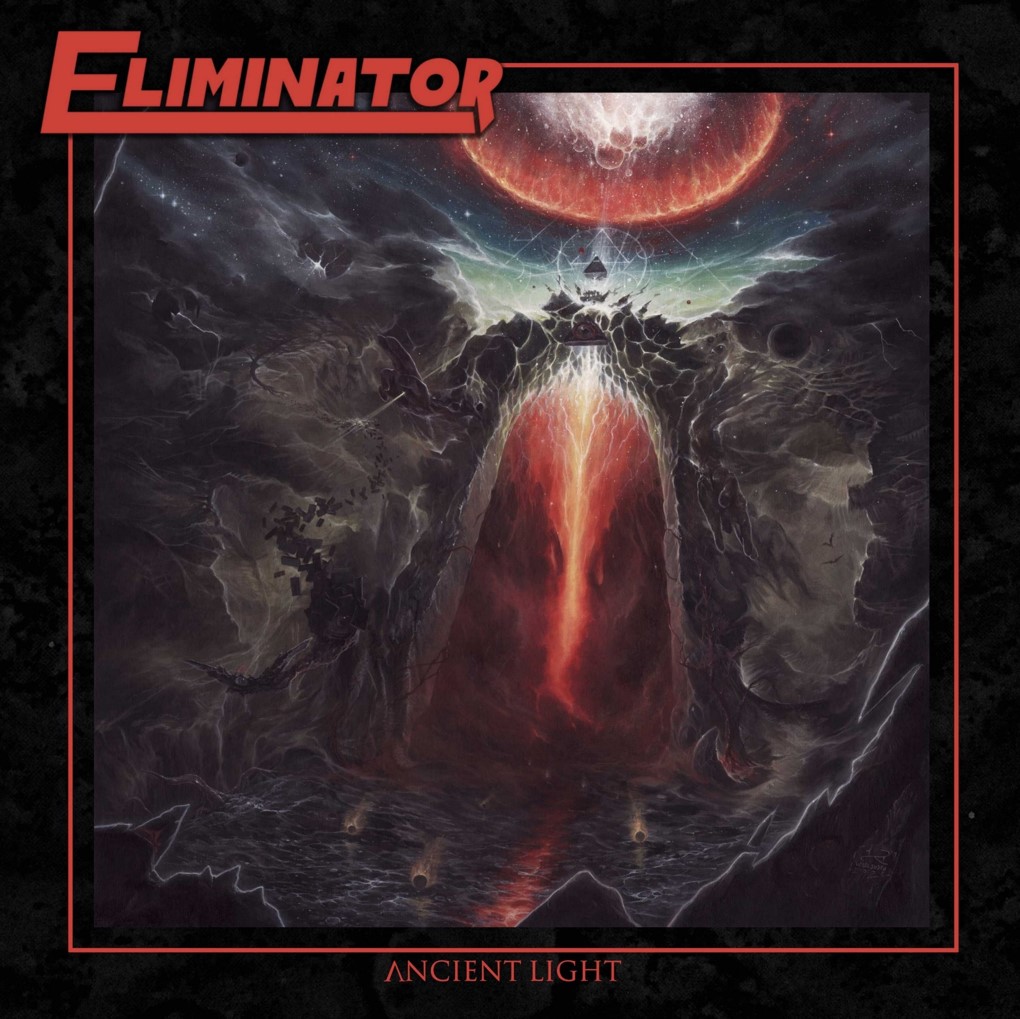
Eliminator - Ancient Light

After enjoying their single "Silent Stone" as a solid piece of Maiden worship, I figured I should give the rest of their latest album a listen.  Right out of the gates, these guys are clearly aiming for that early Iron Maiden era of Killers, Number of the Beast, and Piece of Mind.  Sometimes they lean into the NWOBHM side with a dash of rock, but other times, they turn up the epic, with decent results.

Of course, it's not completely like Iron Maiden, as there are a few tracks that feel closer to US power metal, like "Mercy" and the doomy "The Nightmare of Aeon," but honestly, that's a pretty subtle difference.  Regardless, this band certainly has the chops.  David Foster's vocals are very much like Dickinson's, and he's given plenty of opportunities to wail high above the music (though he does get a little buried on "Arrival").  Then there's the lead guitar work of Jack MacMichael and Matthew Thomas.  When they aren't chugging away at classic-styled riffs, they are often trading solos, or playing harmonized leads together, clearly reminiscent of Murray and Smith.  If it weren't for the modern production, this could easily make you feel like it's 1983 all over again.

If there is a problem, it's that there aren't a lot of surprises.  This album really feels the same from front-to-back.  Sure, they change up the tempo here and there, and there are a few segments were they break out the acoustic guitar, but it's usually in anticipation of some epic metal shift like "Foreverless," or in the bridge of a larger song like "Lord of Sleep, Dreamaster."  However, for those who can't get enough of that old-school Maiden sound and want to hear some guys who are pretty good at it, this is some solid classic metal.

Lovebites - Glory, Glory to the World (EP)

This release is probably a little bittersweet, as it was part of an announcement of an incoming hiatus caused by the leaving of their bassist, Miho.  While it retains much of the frenetic power metal they're known for, I don't think these songs are quite as good as what was on Electric Pentagram, which I loved.  "Paranoia" certainly shows the band's darker, more theatrical side, but otherwise, the songs are pretty standard fare for this band.  Expect plenty of high-speed shredding and catchy melodies, but nothing particularly earth-shattering.

Lionville - So Close to Heaven

After checking out their first album, I decided to give their latest a spin, and it's pretty surprising how little has changed in the 10 years between them.  While the production is a little richer and the guitars have a bit more crunch (and there are less ballads), this is still some pretty straight-forward, 80s-inspired melodic rock from top to bottom.  

Of course, it also makes it hard to review, as nothing really stands out too much.  I will say that the lyrics lean into the clichés quite a bit, but they're sung so sincerely you can't help but get caught up in the sentimentality of it all.  The music supports every word of it, with friendly, rockin' guitars and lush keyboards to make everything so warm and accessible.  It's a bit of a shorter album, but that only helps the pace feel brisk and not get bogged down.  Essentially, Lionville are the epitome of modern AOR, and it may not make many new fans, I generally enjoyed what I heard.

Greyhawk - Ride Out (EP)

Likely named after the classic D&D campaign setting, Greyhawk is very much in the vein of classic US power metal, a la Omen, Manilla Road, and Manowar.  I quite liked the vocals by Rev Taylor, and they were often harmonized, which added to the epicness.  Otherwise, it's some pretty straight-forward chugging old-school metal, with plenty of noodly guitars one expects from the style.  "The Abdication," and "Serpent King" stood out to me the most, with the former being quite epic, and the latter having some great energy.  This certainly is a solid taste of what this band has to offer, and I'm curious to listen to more, so I guess this EP did its job!

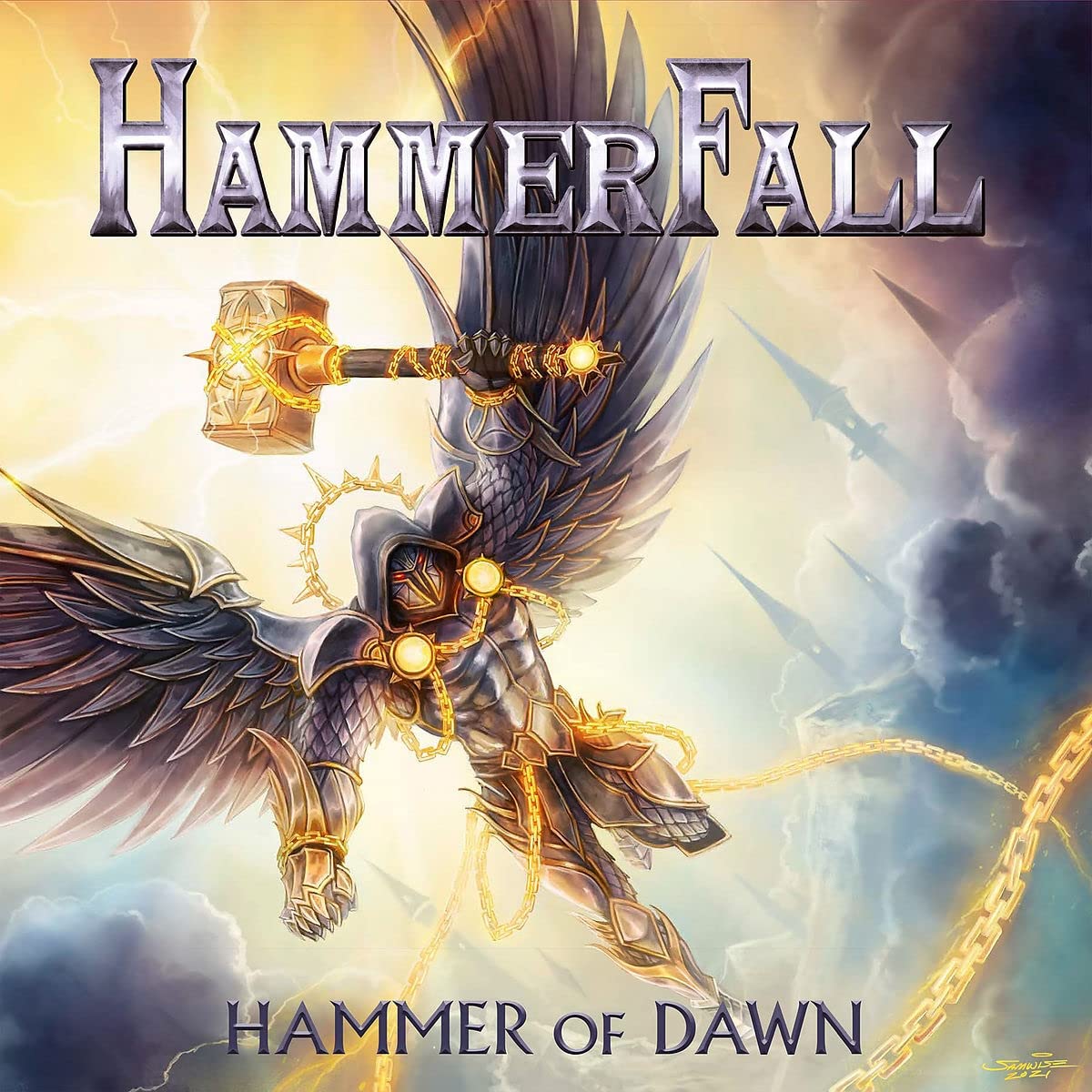
HammerFall - Hammer of Dawn

Let's wrap this up this article with finally getting caught up on HammerFall!  These power metal legends are still going, and while their sound hasn't changed much over the past decade, they still have a knack for some decent epic and melodic tracks.

Right off the bat, we get "Brotherhood" for the opener, providing a very classic HammerFall feel.  From there, it's mostly mid-tempo material, with a few change ups.  "Hammer of Dawn" and "Venerate Me" are probably the best of the stompy tracks, while "Live Free or Die," and the closer "No Mercy" do a good job to bring back the speed.  Supposedly King Diamond is on "Venerate Me," but I could never hear him (that's not a voice you can mistake; was he just part of the chorus?).  However, the really different track is "Not Today."  While it's not a ballad, it does have a more mellow rock vibe, with clean guitar tones throughout, except for the melodic choruses.  I don't recall them doing anything quite like this, but it's not bad.  A bit an experiment, I guess.

Overall, I think this is better than their last album Dominion, as I feel it's a little more consistent across the board.  However, I'm not sure how it would compare to the others.  The first five still loom large in my nostalgia goggles, and I don't think they've ever really reached those heights since.  Still, I'm glad they're carrying on, and Hammer of Dawn shows that they're aren't out of magic quite yet.


Well, I hope you don't mind me throwing in a few EPs this time.  They broke things up a little, at least.  Looking ahead, I'm not sure where I'll go next.  I'm thinking of doing a Last Played purely on albums from 1997, as there are a bunch of big ones from that year that I haven't heard yet.  We'll see.  In the meantime, I've got another Anniversary Article coming up for 1987, and I'm finding more videos to share, so that should round out this month.  Until then, rock on! \m/

Tuesday, November 9, 2021

Last Played - November 2021!

After doing some current releases, I decided I wanted to kick back and check out some older albums.  This one is all 80s, starting with some new-wave-y prog rock and following it up with a pair of epic metal releases.  Here's what I've been checking out lately!

King Crimson - Discipline

After 7 years of silence, Robert Fripp starting rebuilding his music career.  At first, he worked within the growing new wave space of the early 80s, then grabbed drummer Bill Bruford again for a new project that was going to be called Discipline.  They brought in Tony Levin for bass and Andrew Belew of the Talking Heads to sing, write lyrics, and play guitar along with Fripp.  The result is an interesting fusion of ideas, bringing over the 70s organized chaos the band was known for and meshing it with the more streamlined, new wave sound, making for quite a significant shift for the band.

I have to admit, this is still a pretty challenging listen, though.  I did like the complex melodies of tracks like "Frame By Frame" and "Discipline."  The way the guitars play off of each other is very fascinating.  Fripp in particular really pushes his math rock muscles with some complicated fretwork, and Belew backs him up, either providing more rhythm, or getting some wild animal noises from his guitar.  "Sheltering Sky" has a solid atmosphere, letting the solos just drift over it.  However, there are times with the band gets back to the 70s jam-heavy style, particularly on "Indiscipline" and "Elephant Talk", ensuring that this is still Fripp and company.  "Matte Kusadai" tries to be this proggy ballad, but doesn't really go anywhere, and the use of a frantic recording from Belew on "Thela Hun Ginjeet" makes the song hard to appreciate.  Levin does give the piece a decent funky groove, though.

This album is definitely much more accessible than most anything they have done before.  While there are plenty of proggy noodles and curious time signature shenanigans here and there, this album has a much stronger focus on organized song-writing and more repetitive and trancy segments.  Between the math rock and ambient side, we get an album that shows that prog rock is not a dinosaur, but has potential to move forward in its own way.  That being said, it's still a bit of a struggle for me to really appreciate overall, but I can't learn if I don't try.

Cirith Ungol - King of the Dead

After doing this band's first album earlier this year, I thought I'd check out their critically acclaimed second album to see if they had improved.  Right off, this one is much more consistent in quality and style, really settling into a unique metal sound.  I know other folks have often called this album a staple of early power or doom metal, but honestly, I hear a lot of 70s influences.  I know I mentioned early Rush in regards to the last album, and that tone is still there, but this one has some added power like classic Judas Priest, such as Sad Wings of Destiny or Sin After Sin.  However, it does benefit from a heftier 80s production, letting these songs sound pretty big and crunchy.

Tim Baker continues his iconic, gritty wailing, giving the songs a lot of melodrama.  He has a pretty epic scream towards the end of "King of the Dead" that stood out to me.  "Finger of Scorn" had an interesting doomy vibe, with the acoustic sections, big riffs, and a punchy chorus.  "Cirith Ungol" also brings the doom, with a long outro.  I also liked "Master of the Pit," as it had a proggier vibe, starting and ending with long, noodly guitar solos.  In fact, there's a lot of great solo work on this album, overall.  The Bach cover is interesting, as they're using some kind of pedal to make their guitars sound a bit like an organ.

I don't know if I was completely enthralled by what I hear.  The album has a bit of a lackluster start, and takes a while to really get going.  Once it does, though, it settles into a nice, mid-tempo groove with a lot of atmosphere and great guitar work. This is definitely an improvement over their first, and certainly has some interesting, epic moments.

Dio - Dream Evil

I'm surprised I haven't talked more about Dio's solo career, but it's another one I've been slowly working my way through.  At this point, listening to any of Dio's stuff feels like it's more about the mystique  of the man than the music itself, though he's certainly been responsible for many great songs.  Dream Evil feels like a general continuation of what he had built with the previous three albums, with maybe an extra layer of polish.

At this point, the group brought in Craig Goldy on guitars and Claude Schnell on keyboards.  While I don't know if I feel like the guitars are doing anything other than just being very 80s, the keyboards definitely feel stronger on this album, providing a lot of ambience and atmosphere that I don't exactly recall on the other albums.  While synths aren't anything new for Dio, their prevalence on this album does kick it up a notch in the epicness department.  Another thing I noticed this time was how each song's chorus is just basically repeating the title a lot.  Again, not a new thing for Dio ("Rainbow in the Dark" comes to mind), but the fact that it happened on every track made me wonder if things weren't getting a little too formulaic. If there is a shift from previous albums, I think there's a greater emphasis on anthemic tones, designed for stadiums.  I can easily see folks clapping and singing along to these quite easily.

That's not to say this is bad album, by any means.  This is definitely stronger overall than their last one, Sacred Heart.  "Dream Evil" is a very solid rocker, and "All the Fools Sailed Away" feels like a "Children of the Sea 2.0" and mostly works.  I particularly liked the proggy shift about halfway through, topped with some nice solos.  The rest are a bit of a mixed bag, but are mostly decent rock and metal numbers to support Dio's trademark vocals.  


I admit things have gotten a little slow around here, lately.  There are still a handful of 2021 releases I want to try and get to before the end of the year, and I've got one more anniversary article coming up that I need to decide what I'm doing with, so I'll probably have at least two more articles this month, but I'm thinking about focusing less on the videos and more on the reviews.  While I do enjoy writing all these different articles, I certainly don't want them to become more work than they're worth.  Hopefully, I can find a good balance going forward.  Until then, rock on!  \m/