Showing posts with label Progressive Rock. Show all posts

Sunday, August 30, 2026

Retro Reviews - August 2026!

I have to admit that summer really is the worst season for me.  I know I struggled last year to put out articles, and this year has been awful!  I'm sorry that it's taking so long for me to pull these articles together, but I promise I'm chipping away at them slowly.  This time, I've got a rather curious group of melodic rock albums, mostly carrying on with bands I've reviewed before as I catch up on the year 1991!

Rush - Roll the Bones

Presto saw a reduction in 80s synths in favor of a more alt-rock, guitar-driven sound, and Roll the Bones is a continuation of those ideas.  While the keys are still around, they're very much in the background, as the band expand things with funk elements and a lyrical focus on things like luck and fortune.

The U2-meets-Rush vibe lingers from the past album, and I think it has a lot to do with the production, as Lifeson's guitars are given a lot of reverb to help fill out the sound now that the keyboards are taking a back seat.  When they bring in some funk, they shift into more of an INXS sound, and there are still plenty of new wave elements here and there, especially on "Bravado."  The rap section on the title track was a curious idea, and looking it up, the band wasn't quite show how they wanted to handle it.  It's fine, in its own way, shaking things up, but it doesn't really elevate the song.  Otherwise, it's a lot of anthemic, jangly guitars for 4-to-5 minute songs, though the instrumental "Where's My Thing" is probably the proggiest thing they've done since their 70s albums.

Once again, this is not a bad album.  There's good energy, the Lifeson seems into it, Peart does what he does best, and Geddy makes for a decent pop singer.  Unfortunately, there really aren't a whole lot that captures my attention.  "Dreamline" was a good opener, and I did like the catchy chorus on "Face Up."  There really isn't a bad song on the album (though "Ghost of a Chance" does feel a little weird at times).  Somehow, through the 80s, this band lost something.  I'm not sure what it is, whether it's a theatrical edge or just a shift in how they handle their dynamics.  Overall, this album is decent, but not much more.

Harem Scarem - Harem Scarem

While I've featured Harem Scarem a few times on the blog (as well as Harry Hess's side project First Signal), this is the first time I'm sitting down to review one of their albums!  Starting in Canada in the 80s, their debut album got some attention by having its songs show up in the teen drama TV show Degrassi (which I know little about).  As it turns out, their debut is some very strong melodic rock!

Clearly built on the foundation of bands like Journey, Survivor, and Night Ranger, this is the epitome of AOR with a dash of glam metal here and there.  So, with these kinds of albums, it comes down to the execution, and for what it's worth, this is pretty solid stuff.  The production is crystal clear, and Hess does a good job of selling these pretty basic lyrics.  The rest of the band is spot-on, and I liked the guitar harmonies that were sprinkled in throughout the album.  However, I think the biggest key is that the band is being sincere about what they're doing, which helps these songs feel like a cut above any standard 80s rock album.  The ballads do lean on the cheesy side, but they don't bring the album down at all.

As for stand-outs, the opener "Hard to Love" is AOR done right, "Slowly Slipping Away" has some good dynamics, going from softer verses to an anthemic chorus, "All Over Again" starts off soft as well, but then jumps into a good, driving beat, and the rest of the tracks stick to some very satisfying, mid-tempo rock 'n' roll.  While I don't know if this is quite good enough to squeeze into the Top 5 article I'm working on for this year, it has an outside chance, and remains a great debut album for a band that's been a staple of melodic rock for decades now.

Praying Mantis - Predator in Disguise

While their first album was a solid collection of melodic rock in a world of British metal, their label didn't really support them, and the band broke up right after.  However, when a nostalgia tour for NWOBHM came around in the late 90s, the Troy brothers grabbed Paul Di'Anno and Dennis Stratton (both former Iron Maiden members) and did very well for themselves.  While Di'Anno moved on, Stratton stuck around, and with Bruce Bisland on drums, they recorded this album, 10 years after their debut!

Right off, this is much more an 80s album.  While their debut had some 80s elements, they also retained some the 70s in their songs.  Here, they contain all the cliches and tropes of the MTV generation.  Big production (which I think gets a little too thick at times), anthemic choruses, melodramatic power ballads, it's all here.  And for what it's worth, they do it pretty well.  The guitars and synths capture a lot of good melodies, and the vocal harmonies are spot on.  While there are a few glam metal moments (especially on "She's Hot" and "Only You"), the band still lean on the AOR side of things.  Honestly, if this album had come out just 2 years earlier, this would have been pretty massive.  However, 1991 was a rough time to be a melodic rock band as the landscape was changing so much at that time.

This is hard to compare to their debut because it really is a different animal.  I do think there are a few too many power ballads for my tastes, but I did like the synth-heavy songs, such as "Can't See the Angels" and "Time Slipping Away" as they made me think of Asia's poppier side.  "She's Hot" did have some interesting overlapping vocals on the chorus, and "The Horn" was a neat little instrumental track.  Overall, I liked most of it, and it's very clear to me that if had things gone differently, this band would have been huge.  Now, they're just one of the best hidden gems that is just sadly overlooked by so many rock fans.
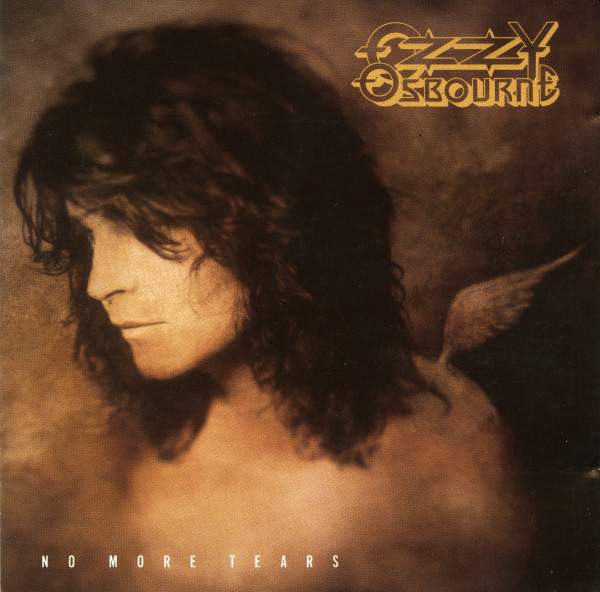
Ozzy Osbourne - No More Tears

After Zakk Wylde revitalized the band on No Rest for the Wicked, the same lineup carried on into the early 90s, following up with this album, which would prove to be one of Ozzy's most successful.  While much of what worked last time sticks around, the album definitely pushes more into mainstream territory, with mixed results.

The first big difference is a bump in production.  It's not drastically different, but it is a little richer and bigger than before, really filling the space well.  However, this album has the band leaning closer to what glam metal was doing at this time.  With the synth orchestrations, the blend of acoustic and electric guitars, and rock-heavy vibe with shallow lyrics, this stuff feels very prepared for MTV audiences.  This isn't necessarily a bad thing, but it does make the album feel kinda samey after a while.  The performances are solid, with Ozzy providing his iconic charm, and Zakk laying out some great riffs and solos, but there are moments that feel a little forced.  Despite winning a grammy, "I Don't Want to Change the World" is a lazy retread of "Crazy Train," "Time After Time" and "Road to Nowhere" are some lackluster ballads, and "Zombie Stomp" has a very long intro into a rather silly song.

This isn't a bad album, of course.  Zakk really is the highlight, just like how Jake E. Lee and Randy Rhoads were in the past.  The hits are still solid songs, with "Mama, I'm Coming Home" being a very anthemic ballad, and the title track having some neat ideas, starting with a bass groove and including a curious digression that made me think of Queen at their proggiest.  As for the more conventional rock songs, "Desire" stood out the most, I think, and the two bonus tracks weren't bad either.  Overall, the album is just a bit too long and too generic compared to what they've done before.  It's not bad while it's one, but Ozzy and company have done better.

Monday, March 30, 2026

Retro Reviews - March 2026 Part Two!!

As I'm working through 1976 and checking albums out, I decided to split my reviews into two articles.  Last time, I focused on more hard rock bands, while this one has more proggy or weird rock bands.  Of course, prog was pretty much phasing out at this point, with many bands streamlining their sound to be more like the melodic rock of the times, so maybe these differences are just my own hair splitting.  In any case, here's what I've been listening to lately!

Druid - Fluid Druid

After checking out their debut album last year, and finding it to be rather pleasant, it's time to check out their second and final album.  Of course, being a prog rock band in 1976 was not easy, and so they mixed in a variety of ideas to spice things up while retaining many of their Yes-like qualities that they had before.

I think the best way to describe this album is that they're trying to be too quirky.  There are times where the proggy sections feel jarring and forced, like they were put in out of obligation.  While the first album focused on a united sound and atmosphere, here the songs are much more singular, like the instrumental "FM 145" being very bouncy, "Nothing But Morning" going for this dramatic Queen-like song, and "Barnaby" getting into a reggae groove.  "Crusade" certainly has some curious transitions, but it's so disjointed to really follow.  "Kestrel" is also a mess, despite being much shorter, and the closer "The Fisherman's Friend" feels like a joke song that doesn't really land.

Despite my criticisms, there are some decent pieces here.  The album starts off well enough with "Razor Truth" and "Painters Clouds."  They both have the more Yes-like style, like the material from Toward the Sun, and "Left to Find" starts off with a mysterious low synth before building up the instruments in a pretty satisfying way.  Dane in particular feels more confident, as he's not straining his voice quite so much, and his guitar work is pretty decent.  Neil Brewer retains his Squire-like basslines, and the rest of them play well, despite the awkward songwriting.

However, these good bits are just part of the junk drawer that this album assembled itself from, making this the weaker of their two albums.  From here, the band would break up, and its members would work on various other projects and groups over the years.  It's a bit of a shame as I do think they had some good ideas.  If they could have taken a break to refresh their minds and worked on another album, I think it could have been solid.  However, like I said, prog was in a weird place, and if you already didn't have a decent sized fanbase by this point, it would have been a struggle to continue.

Genesis - Wind and Wuthering

It's been quite some time since I last reviewed a Genesis album!  As I mentioned on those articles, I struggle with the Gabriel-era material, but now that I'm into the beginning of the Collins-era, I'm hoping I might find more to like (other than the usual handful I hear on classic rock radio).  While it does have some decent ideas, this is one mellow album!

Much of what they started on Trick of the Tail is here, as there is only one song over 10 minutes, and many shorter ones.  However, there certainly is an increase in synths, as Tony Banks gets rather orchestral in arranging all the different tones and pads he uses, along with the organs and pianos.  This gives the album a very cinematic feel, and the lyrics often carry that tone.  The album starts with the energetic "Eleventh Earl of Mar," based on a book about the Jacobite Rebellion in Scotland, "One for the Vine" is about someone ending up as a chosen one without wanting to be, and the pair of instrumentals that make up "Unquiet Slumbers for the Sleepers...In that Quiet Earth" are based on a line from Wuthering Heights.  They even tell a unique story with "All in a Mouse's Night," with the rodent waking up the humans and running into a dangerous cat!

Unfortunately, much of this album sticks to a slower, more somber vibe, and I found myself struggling to stay interested.  Banks keys do kinda overwhelm the album at times as well.  I liked "Eleventh Earl of Mar" and "...In That Quiet Earth" for being more upbeat, but otherwise, this is soft rock as much as prog, and while that's not necessarily a bad thing, I found it hard to really connect to sometimes.  As it would turn out, this album is the last they did with guitarist Steve Hackett, as he felt his contributions were being set aside in favor of Tony Banks' pieces, eventually compelling him to leave.  After hearing the album, it sounds like it was a pretty valid criticism.  I didn't hate the album, but it was on the wrong side of lackluster.  Maybe it will improve with more listening, but for now, this hasn't turned me into a Genesis fan.

Blue Öyster Cult - Agents of Fortune

To be honest, I've listened to this album before, but since I have been going through their discography lately, I figured I should squeeze this one in before I moved on to the rest of their albums.  I'm a big fan of "(Don't Fear) The Reaper," and I was kinda hoping the rest of the album would be just as dramatic and mysterious, so I was a little bummed to discover that it was mostly some pretty straight-ahead rock 'n' roll.  However, now that I'm giving it a second chance (and with the wider context of their previous albums), I can see this is very much a transition album for them, streamlining their songwriting to something much more punchy and conventional.

As usual, they do like to shift their style around from song to song.  Things start off with a pretty standard rock 'n' roll pair of songs, but they have some grooves later on, and even get sentimental at times.  Otherwise, "Buck" Dharma is still noodling along, his guitar solos really being solid across the tracks, and the song writing definitely settles into some familiar forms, letting the lyrics do most of the weirdness.  (I had totally forgotten that Patti Smith was on "The Revenge of Vera Gemini"!)  As for stand outs, "This Ain't the Summer of Love" has some decent chugging energy, and while "E.T.I. (Extra Terrestrial Intelligence)" starts with a weird riff, it quickly settles into a neat song that feels like it came out of a tabloid.  The spooky vibes continue with "Sinful Love" and "Tattoo Vampire," but then it gets rather serious for the end of the album.  "Morning Final" is about a random murder in the streets, and "Debbie Denise" is about a struggling, one-sided relationship.  This album is certainly all over the map.

And then there's "(Don't Fear) The Reaper."  This is pretty much the song that made me want to listen to more of the band.  Starting off with that iconic riff before settling into a thoughtful, dark tone, contemplating death and coming to terms with it.  Then the bridge outright explodes into a great guitar solo by "Buck," letting the feedback linger into the next verse.  An absolutely brilliant song.  Sadly, the rest of the album doesn't hold up to that level of quality, but I can see that it is a decent rock album that sees the band changing without losing their identity.

Triumph - In the Beginning

When we think of 70s hard rock trios from Canada, we generally think of Rush, but Triumph soon followed after and had quite a respectable career north of the US border.  I was only ever loosely aware of them, so I'm taking my next Top 5 article as an opportunity to check out their debut.  (It was originally just self-titled and had a different cover, but I like this re-release version better.)

The comparison to Rush is a little unfair, as this album has much more in common with fellow country-men Bachman-Turner Overdrive with some Led Zeppelin for good measure.  The result is some hard rockin' music with decent variety, with Rik Emmett's excellent shredding all over the place.  They mess around with a talk box on "Be My Lover," "Don't Take My Life" has some neat dynamics, switching between electric and acoustic guitars, "Easy Life" has a bluesy groove, and the "Street Fighter" pair a songs going from heavy metal in the first part to a somber, cinematic vibe in the "Reprise."  Even the opener "24 Hours a Day" starts off with this ballad-like style before going into some straight party rock.  The other songs are a little more generic, but are played with good energy, and the closer is where they tap into some prog, as "Blinding Light Show" goes from an aggressive noodly riff to a somber anthem before dropping to the classical guitar of "Moonchild."

I feel like the Y&T album I reviewed last time feels similar to this, but Triumph definitely has better songwriting.  I know I often say that debut albums show promise, but this is some very good rock music right from the start!  I liked the more dynamic songs like "Don't Take My Life" and "Street Fighter," and "What's Another Day of Rock 'n' Roll" made me think of "Black Betty" by Ram Jam with that scratchy riff.  The epic closer is solid as well, probably the most Rush-like song on the album, and I was overall satisfied with what I heard!  I'm definitely looking forward to their next one, whenever I get around to it!

Wednesday, March 11, 2026

David Gilmour, The Ferrymen, and Styx Retrospectives!

Just wanted to post a quick article for the new David Gilmour Retrospective Article I put over in my Article Retrospectives section.  Again, I've just pulled the reviews I've written over the years together into a single article, with a few tweaks.  (I have also since included my Catching Up with The Ferrymen and Styx Retrospective articles in there as well.)  That's all for now, but I'm sure to put together more of these sooner rather than later.  Until then, rock on! \m/

Saturday, February 28, 2026

Top 5 of 1971!!

Yup, we're starting this over again!  Back when I did my Anniversary Article, I focused on who both prog rock and hard rock were evolving, and this Top 5 reflects that!  While Black Sabbath, with their detuned guitars, and Deep Purple, who cemented their Mark II sound, were considered, they couldn't quite make it in as those albums also have some lackluster tracks.  Remember: a few great songs do not a great album make.  As always, I couldn't listen to everything, and this is super subjective, but these are my Top 5 albums of 1971!


5. Jethro Tull - Aqualung

This band has always been on the weird side, even among their prog rock contemporaries.  Featuring curious folk melodies and quirky lyrics, this album squeezes into the Top 5 primarily because the songs feel very well thought out.  For all their fanciful strangeness, these songs are exactly what they need to be, and the title track is a classic for these same reasons.


4. Uriah Heep - Look At Yourself

When I first listened to this, I thought it was alright, but upon revisiting both of their 1971 albums, this one stood out as the stronger of the two, mainly because it had a more focused rock approach.  The title track is a great start and "July Morning" really builds well, and the rest of the album just has the right touches to help put this one in the Top 5.


3. Led Zeppelin - IV

I've been relistening to a lot of Zeppelin lately, and as cliche as it may be, I do think this is their best album.  Not only featuring some of their most iconic tracks like "Black Dog" and "Stairway to Heaven," I was more recently blown away with the droning blues song "When the Levee Breaks."  I know I had heard it before, but this last time, it stayed in my mind much longer than I expected!


2. Pink Floyd - Meddle

It took them more than a few albums, but Pink Floyd finally pull themselves together and make some great music. While there are a few goofy tracks here and there, they arrive at excellence with the dark and brooding "One of These Days" and the epic underwater journey "Echoes."  Absolutely beautiful stuff.


1. Yes - The Yes Album & Fragile

I know this is cheating again, like I did with my Top 5 of 1985, but when my favorite band brings out two incredible albums in a year, this is just gonna happen!  Seriously, though, this is some of their best material.  Getting Steve Howe and Rick Wakeman on board expanded their sound considerably.  While I do think The Yes Album is probably better as a whole, Fragile does have my favorite Yes song "Heart of the Sunrise," so it's a close match.  In any case, Yes is certainly the best of the year, and I'm not ashamed to say it!

Wednesday, February 25, 2026

Retro Reviews - February 2026 Part Two!!

So here's the follow up from the last article, featuring three returning bands, and this time, all four are from 1971 to help me work out my Top 5.  Unfortunately, I don't think any of these will be making it as they are a clunky group of albums.  I know I may be tipping my hand early here, but nothing here was particularly mind-blowing, despite their various efforts.  Still, they're interesting albums and worth giving a listen, if only to show how each band has changed and will change.

Caravan - In The Land Of Grey And Pink

After checking out their debut and enjoying the follow up, it's finally time to check out their critically acclaimed third album.  At this point, the band was eager to get some attention outside their fanbase, and keyboardist Richard Sinclair brought some stronger pop music vibes to the songwriting.  While it's a decent collection of songs, I feel like something got lost in the shuffle as a consequence.

First off, the production is a major step up, sounding rather quite clean compared to their muddier previous albums.  However, the songs themselves are much more straight forward.  The album opens with "Golf Girl," which is about how the bassist met his girlfriend and honestly sounds bland, even with a trombone playing the lead melody.  "Winter Wine" is an improvement, letting the band jam around quite a bit, but then they get strange with the 7/8 "Love to Love You (and Tonight Pigs Will Fly)."  It's like they tried to blend prog with pop, and I don't know if it really works.  The title trick is alright, full of folky nostalgia for the band's hometown.  The album then closes with a 22 minute epic titled "Nine Feet Underground."  While it certainly has some interesting sections, I don't know if the flow is quite perfect as they journey through them.  It makes me think of Procol Harum's "In Held Twas In I" at times, but much more instrumental.  It's not bad, and probably the closest the band gets to the weirdness of If I Could Do It Again... that I liked.

While it's not a bad collection of songs, the spontaneity of the previous album is missing.  Perhaps the band wasn't as interested in psychedelic spaces this time around, shifting into their idea of a pop rock sound with some very safe song structures.  I liked "Winter Wine" and "Nine Feet Underground" the most, as they took me on more of a sonic journey than the others.  Maybe I need to listen to it more, but this is a let down compared to what I heard.

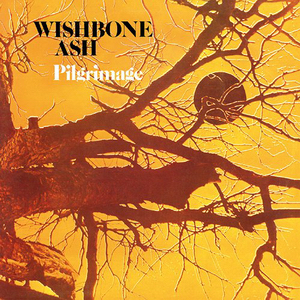
Wishbone Ash - Pilgrimage

While the band did well with their first album, they were pretty rushed to put out a second and relied on some older material they had written before but couldn't fit into the first.  I enjoyed their debut as a decent set of jammy blues rock, the band takes a much bigger dive into jazz-fusion.

Jazz was certainly a part of their sound before this, but this is stepping away from the likes of Cream in favor of something like King Crimson or Colosseum.  This is made very clear with the first two tracks "Vas Dis" and "The Pilgrim" being some very interesting journeys, and featuring some very technical playing.  Steve Upton in particular gives his drum kit quite the pounding.  It is also worth noting that these two songs don't have any lyrics, but instead feature some interesting vocals anyway.  "Vas Dis" goes for this rambling scat melodies, while "The Pilgrim" has some Yes-like ahs that fit the moodier tone.  There are two other instrumentals, but they're short and don't add much.  "Alone" was part of a longer song, but they decided to just include a section of it that's a meditative jam, and "Lullaby" has some appropriate sentimentality with the guitar harmonies.  "Valediction" is also in the soft rock style, though the lyrics are on the forlorn side.  Of course, the blues rock hasn't been completely abandoned, as "Jail Bait" is very straight-ahead with its structure (until the sudden reggae section at the end), and the album ends with "Where Were You Tomorrow," a live blues jam that goes over ten minutes.

I don't know if this is better or worse than their first, as it is kind of a different animal.  The one before was more of a blues-rock album and had some pretty good stuff, but here, I think the jazzy songs are the better ones, as the blues rock feels a little bland in comparison.  In any case, the band remains solid, featuring their slick guitar licks and harmonies and backed by a very driven rhythm section.  I understand their next album Argus is the one everyone praises, but I'll have to wait until next year to get to that!

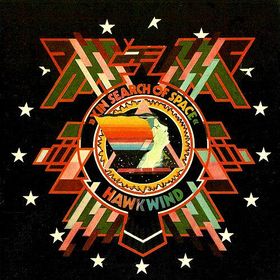
Hawkwind - X In Search of Space

After getting through their first album, which was quite the unusual trip, I was feeling a bit hesitant about their follow up.  Fortunately, this one ended up being much more music focused, letting their synthy noise-makers be the spice to their spacey jams.

Things kick off with the 15-minute uptempo epic "You Shouldn't Do That."  It takes a minute to get into the music, but once it does, the chugging rhythms do a solid job of setting the tone and letting the band just mess around creatively for most of the runtime.  While the lyrics are more angst driven, they have this overlapping style that flows well with the song.  However, the album kind of descends from there.  While there are more decent space rock jams, they don't feel quite as ambitious, though. "Masters of the Universe" feels the most organized of the songs.  "We Took the Wrong Step Years Ago" shakes things up by being more of a folky jam on acoustic guitars, but the rest pretty much stick to more mid-tempo songs that roll along.

This is a definite improvement, as the band is clearly focusing on creating a musical space rather than a noisy, ambient one.  I admit it's hard to know how much of this is intentional and how much is just improvised playing that's loosely organized, but I suppose that's space rock for you.  At the very least, this is much closer to what I was expecting with the band.  I don't know if I've heard anything great yet, but I can see this band growing on me the more I listen to them.

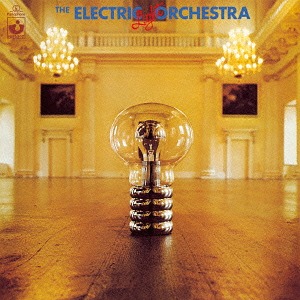
Electric Light Orchestra - The Electric Light Orchestra

Before becoming pop rock legends, the Electric Light Orchestra started as more of a chamber pop group, inspired by some of the symphonic songs of the Beatles.  Largely focused around Jeff Lynne, Roy Wood, and Bev Bevan, their debut is a very confusing album, as they haven't quite worked out how to make their blend of ideas work smoothly yet.

The opening track "10538 Overture" is a decent start, featuring a solid riff and backed by the orchestrations well.  You can definitely hear their later sound in this one, as well as on "Nillie Takes Her Bow" and "Mr. Radio."  However, the album is uneven with its shifting styles.  The Beatles' influence is strongly felt on "Look At Me Now" and "Queen of the Hours," and they have some instrumentals that feel like movie soundtrack pieces, full of drama and noise, but they don't hold my interest very well.  The production isn't really helping them.  Maybe having different instruments panned far left and right might have sounded impressive at the time, but it just feels jarring now, and there are spots where things get muddy.

The one thing that holds the album together is this strong sense of melodrama.  You can tell the artists were dedicated to an idea, but hadn't quite figured out how to make it work.  Blending orchestral arrangements with typical pop and rock structures weren't necessarily new, but I don't think anyone quite embraced them as much as ELO was trying to here.  I did like "10538 Overture" and "1st Movement (Jumping Biz)," even if that second track was derivative of "Classical Gas" by Mason Williams.  Overall, this album is a mixed bag, but I'm determined to dig through their discography as I'm confident there will be some great tracks soon enough.

Friday, February 13, 2026

Retro Reviews - February 2026 Part One!

Now that 2025 is finally out of the way, I can focus on a new set of Top 5 lists for this year.  However, in order to check out some stuff for my 1971 list, I figured I should squeeze in a handful of debut albums in advance.  The first three bands all have albums in 1971, but I'll get to those next time.  Here's what I've been checking out for the start of the new year!

Caravan - Caravan

Formed by remaining members of The Wilde Flowers, and borrowing equipment from their country mates Soft Machine, Caravan had their humble start with this debut album in 1969.  While I definitely enjoyed their follow up from 1970, going back to this one shows them still forming their sound and clearly hoping for some pop success.

The songs are much more conventional here, with many of them featuring standard verse and chorus structures.  While they aren't bad songs, they do just kinda carry on in a bit of a lazy, laid back.  The opener "Place of My Own," "Love Song with Flute," and the nine-minute closer "Where But For Caravan Would I" all sound the most like their jazz fusion-y second album, so they stand out the most to me, but there were a few other good moments.  "Ride" gets some decent, meditative sections and "Magic Man" is a good little ballad.  However, other tracks like get a little too weird.  "Policeman" feels like their attempt at a quirky Beetles-like song, and "Cecil Rons" has some jarring repetitive chords and aggressive growling vocals, of all things!

So over all, it's a decent set of songs with more than a few clunky moments, though this is expected of a band who is on the cusp of something greater.  Sometimes it just takes some experience before a band really coalesces into themselves.  I don't know what I was expecting necessarily when I started listening to this, but it served as a decent foundation for them to build on for future releases.

Wishbone Ash - Wishbone Ash

This is a band I've heard about, but had never really gotten around to until now.  They are best known for having two guitarists, a style that would be very influential on later metal bands like Judas Priest and Iron Maiden.  Opening for Deep Purple helped them get attention from MCA Records, and by the end of 1970, they released this debut album.  Clearly built on the British blues rock scene, this some decent rock with a very jam-friendly vibe.

While bands like Cream, The Yardbirds, and perhaps even Black Sabbath's first album come to mind, but the double-guitar work really sets them apart from those bands.  Another stand-out element is the very clean production, allowing you to hear those crisp guitar harmonies that really are the highlight of the album.  Even bassist Martin Turner joins Andy Powell and Ted Turner on some of the melodies, creating a powerful sense of unity.  Meanwhile Steve Upton gets plenty of work out of his drums, find all kinds of gaps to get in a fill.  Overall, there's a solid, upbeat vibe to their songs, at least for the first half, with "Blind Eye" and "Lady Whiskey" bringing a lot of boogie.

The second half has the band really pushing into psychedelic rock, featuring only two tracks that are both over ten minutes long.  "Handy" starts with an extended bass solo before settling into a blues rock groove that felt like a genuine ancestor to Seven Planets before reaching a rather jazzy ending.  "Phoenix" was much the same, starting with some laid back jamming before turning up the energy with a swing step.  I definitely like the second half more, as I think it had more identity and featured the players at their best as they jammed away.  Overall, it was a pretty fun album, banging my head through it all.  For a debut album, there's quite a bit going on, and I look forward to where the band goes from here.

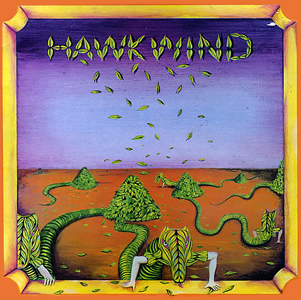
Hawkwind - Hawkwind

Another debut album!  Hawkwind is another band I had heard about, but never listened to until now.  I mostly knew them as a band that leaned in "space rock" long after the 60s (and had Lemmy on bass for a bit before they kicked him out, which caused him to start Motorhead).  But I'm getting ahead of myself here.  Their first album is considered an early space rock landmark, but honestly, I don't think it's aged that well.

I get that the point of psychedelic rock is the vibes and atmosphere instead of having thought-out orchestrations, but there are times where this album seems to revel in musical noise that occasionally has some rock jams in between.  A great example is "Seeing It as You Really Are," where there are so many sound effects and strange noises going on that it overwhelms what might have been a decent track.  Another example is "The Reason Is," which turns out to be just a few minutes of jarring ambiance.  Fortunately, there are a few songs to enjoy here.  The opener "Hurry on Sundown" has a folky twang coming from a 12-string guitar, making for a very acoustic-heavy rock jam.  "Be Yourself" has some rather King Crimson rhythms at the start before settling into a decent groove.  The closer "Mirror of Illusion" is probably the best track, as Dave Brock's voice really carries the song through a pretty solid jam, featuring plenty of solos.  I guess this song is what I was expecting the whole album to be like.

After listening to the whole thing, I get the feeling that the band were more interested in freaking out the listener than focusing on the music.  The descending warp in "Paranoia Part 1" in particular seems designed to make the listener to panic, thinking there is something wrong with their player.  Perhaps innovative and bizarre for its time, but listening to this retroactively on a computer, it feels just tacky.  Even though there are a few decent sections, this feels like one of those "you had to be there" kind of albums.

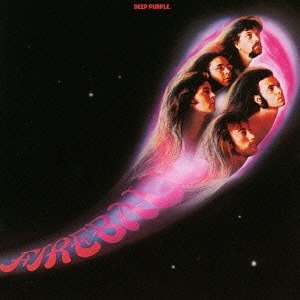
Deep Purple - Fireball

Finally, something that isn't a debut album!  I've been slowly working my way through Deep Purple's catalog, and I can see why Mark II is so important to the band's history, as I'm finding quite a bit to like.  This one has another decent bunch of songs, but listening to this retroactively, it's hard not to feel like this is just preparation for something greater.

I think a good way to describe this album is to say that the band is coming to terms with their new sound.  While In Rock was a massive burst of power, here they are grappling and controlling that power into something more organized.  They also wander into elements of space rock here and there, exploring the dynamics of their sound.  "No No No" and "Fools" have some stark transitions between hard riffs and mellower sections, but none of it feels jarring as they make these switches with a confident ease.  "The Mule" also has this droning quality that pushes the listener into a very strange space (though I do think the version on Made In Japan is better, naturally).  Still, there's plenty of rockin', with the opening title track not wasting anyone's time with its double-kicking bass drum energy, and "No One Came" has this pulsing drive from Roger Glover that keeps things moving.  "Anyone's Daughter" is a curious attempt at a joke song, but it's hard to know how much of the band was into the idea.

This is an improvement over In Rock, as the band is a little more confident in what they're doing, not really having to prove themselves as much.  However, like I said, with Machine Head coming after this one, it's hard not to feel like this one falls short of that excellent album.  Perhaps it's unfair to do that.  In any case, they are really becoming a strong unit with some solid (if quickly written) songs, proving that the switch to Mark II was worth it for both the band and the listener.

Thursday, January 29, 2026

2025 Wrap Up Part Two!

I admit I'm really cutting this one close, but I wanted to make sure that my review of the year wasn't just all metal!  I've got some prog rock as well as some AOR for this one, which might be a little contradictory, but these albums are all worth checking out.  Here's what I've finally gotten around to!

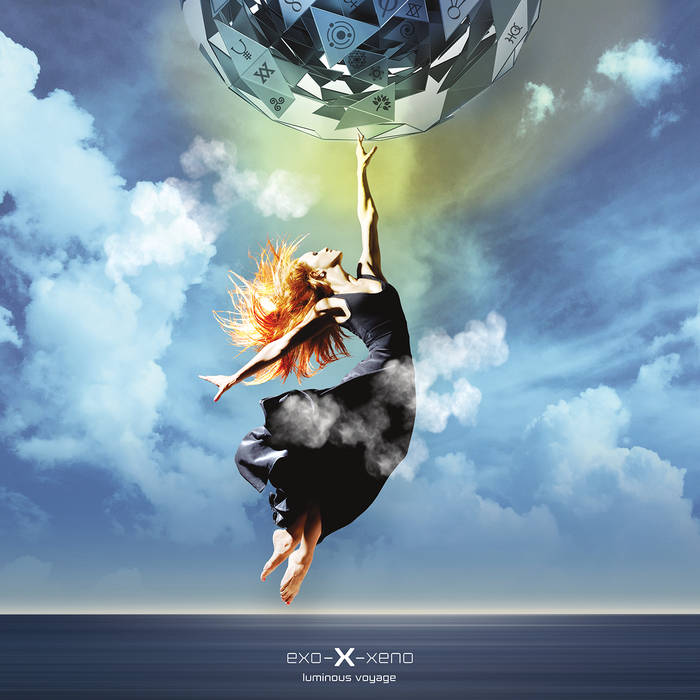
exo-X-xeno - Luminous Voyage

So this is a bit of a weird one.  A few years ago, I had heard that a man named Craig Maher had put together a prog rock project that featured Billy Sherwood and Jay Schellen of Yes, and Patrick Moraz, who was Yes's keyboard player for Relayer.  I admit I was moderately intrigued by that, but then I heard nothing for quite some time.  Recently, while picking through some of my spam emails, I discovered that I had signed up for their newsletter and saw that they had finally released their album last June!  So figured I had better check it out before I was finished with the year!

Listening to this is a bit of an odd experience.  The best way I'd describe the music that it's like that era of late 70s Genesis where Phil Collins has just taken over on vocals, but they haven't gone full pop yet, but then pushed through Yes's 90125 to make it more lush.  Craig Maher is not a bad singer, but I do think there are a few weak spots.  His guitar playing is quite good, though, as it's more in the melodic school of Ian Bairnson.  Billy Sherwood seems to be channeling Drama-era Chris Squire, as he has some very energetic basslines, and Schellen is right there with him on the drums.  However, Patrick Moraz feels like the weak link.  He has some good keyboard runs, but some of his synth choices are odd, and sometimes sound cheap.  "At Water's Edge" is a good example of this.  However, I think the biggest problem is the production.  While it's not bad, it does feel a little uneven.  Billy's bass might be a little too loud, and it feels like everything needs some more polish to help it feel like the instruments are working together, though I'm not smart enough to know what's missing.  I just know that it's off somehow.

The songwriting is decent enough, though.  "Vitrivian Man" is probably the best song, as it feels like they really put a lot of thought in putting that one together, "Reaching for Beyond" has some nice ideas, and "Live Life" has good energy as the closer.  I don't know if this album really makes the most of its promise, but I could see this being a decent starting point for a new prog project.  If they do more, I will certainly be curious.

Spock's Beard - The Archaeoptimist

So going from their first album to their latest is certainly quite the leap, especially since only Alan Morse and Dave Meros are the only two members who have remained.  (Though Ryo Okumoto joined shortly after the first album, making him the third longest member of the band.)  This time, the band worked with someone named Michael Whiteman, resulting in some pretty solid prog rock.

Sonically, this seems to be between Marillion and Haken, with the melodic sensibilities of the former with the creative transitions of the latter.  Despite the fact that it's all I've listened to, comparing this to their first album would be pretty unfair as they have clearly matured since then.  In fact, maturity might be the key word for this whole thing.  Nothing feels particularly excessive (for prog anyway), letting sections drift a little, but not too far.  "Invisible" is a good starter for what to expect, but I think "Electric Monk" is a little stronger as a song.  The title track is the album's 20-minute epic, telling a story about a post-apocalyptic future about a father who teaches her about the past, inspiring her to become a good leader in the future.  The closer "Next Step" is another rather optimistic number that sings about leaving the past behind, featuring some neat transitions and dynamics.

Overall, I liked a lot of it.  I don't know if I have much to say about the performances other than they're pretty solid.  Okumoto definitely plays around his synth tool box, drawing on influences ranging from Keith Emerson to Isao Tomita, but otherwise, this is some pretty good third-wave prog from a band who clearly has the experience to do it well.  I know that this is a pretty huge gap in my prog knowledge, but this album gives me hope that it will be one worth filling.

Crazy Lixx - Thrill of the Bite

Making a hard switch from prog rock to glam metal, this band has been pretty reliable lately in providing some solid, 80s-inspired hard rock, and their latest is more of the same, in the best way possible!

While there has always been a small cinematic quality in their sound, I do think this album they lean much harder into the schlocky movies of the 80s (if the album art wasn't a clue).  Nearly all the songs are about darker, edgier subjects while keeping that decade's iconic glam metal sound, feeling like a blend of Def Leppard with Ozzy's or Mötley Crüe's shock rock approach.  Of course, this is a subtle thing, as they are still rocking hard like the MTV hits that inspired them, and they rock it well.  The album kicks off with the very upbeat "Highway Hurricane," and blasts its way through to the end, with no ballads to bog things down at all!

I think the main difference that makes this band stand out compared to others in the same style is that Crazy Lixx has the right energy.  They know they're being kinda cheesy and campy, but they also love this stuff and embrace it like fans, which allows them to find the fun in what they're doing.  The production is spot on, and the band plays with so much precision and gusto, I can't help but smile through most of this album.  While I could make some nitpicks, this is definitely Crazy Lixx at their most pure, and I don't think I'd want it any other way!

W.E.T. - Apex

I can't believe it's been nearly five years since I'd heard anything from this band.  I enjoyed their last album enough that it got a spot in that year's Top 5 article.  While I'm sure these guys were busy with other bands over the years, they've come back together for another round of AOR, and once again, it's a solid set of songs.

Night Ranger comes to mind again for this band, finding that sweet spot between Journey and glam metal.  Whitesnake comes to mind as well when the band gets a little bluesy.  Henriksson provides more crunchy riffs and melodic solos, and vocalist Jeff Scott Soto is joined by Eclipse's Erik Mårtensson on a few songs, making this album feel more like an Eclipse album than the last one did.  However, these are minor details as the band rocks together quite well as usual.

The album starts well with "Believer" and "This House Is On Fire," both being good uptempo rockers, "Nowhere to Run" has a nice groove, "Day By Day" is a crunchy closer with good energy, and the rest of the album carries on its melodic rock path much like the last one did.  Again, what could have been some standard AOR is bolstered by the band's passion for this kind of music, making it quite the cut above the rest.  I don't know if it will make my Top 5 for the year, but it's definitely a highlight of the previous year that I should have gotten to sooner.

Friday, January 23, 2026

Styx Retrospective!!

I believe I've mentioned that my music listening history started with my father's classic rock collection.  While the big three have remained pretty constant in my life, if there was a fourth, it would be Styx.  I remember getting into them in the mid-90s, enjoying the purple A&M compilation album my dad had.  They really were the first "hard rock" band I got into, and they've stayed with me over the years, as I've never grown tired of their unique blend of distorted guitars and theatrical ballads.  Perhaps not unique for the 70s, but still iconic in all the right ways.  This time, I decided to focus just on their studio albums, largely because I had been working on this for a few years, and I was hoping to get it out before the end of the year with their latest album.  I didn't quite succeed, as you can tell, but it's been a fun ride regardless.

Friday, August 29, 2025

Retro Reviews - August 2025 Part Two!

Finally moving on from 1990, this is the first of two Retro Review articles I plan on dedicating to 1995, as it turns out there's quite a bit I wanted to catch up on.  This one will feature a quartet of rock bands, one of which I haven't really listened to before (sorta)!  Here's what I've been checking out lately!

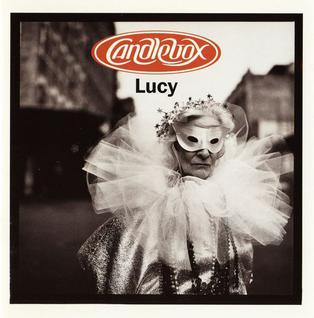
Candlebox - Lucy

When I reviewed this band's debut album, I found it to be some pretty decent, if standard, grunge rock for the era, but it was enough to break them out.  This album follows up by going for a bit of a harsher, darker feel, and yet they sound more like Pearl Jam than ever!

Once again, this feels like the right album to come out in 1995, where grunge was becoming much more familiar, so bands needed to really push themselves to stand out.  Here, Candlebox aims for something more atmospheric in their alternative angst, like a series of a short, trance-like journeys.  Once the song starts, it generally locks into that groove and doesn't change much other than adding or taking away layers for verses and choruses.  Kevin Martin's wailing is right in the flow, fitting with the grooves and tones very well, and it's easy to get lost in these songs.  Unfortunately, that also means that the album tends to drone on, especially the two "Butterfly" songs.  As it turns out, this one didn't do as well as their first, and I wonder if this is why.

That doesn't mean there aren't some stand outs.  They made singles out of "Simple Lessons," "Best Friend," and "Understanding," and those were probably the best choices.  "Bothered" did have some chunky riffs though, and it was much more aggressive than the rest.  Otherwise, it feels like more standard grunge again, and with the darker tone, perhaps not as strong as their debut.  While the album is decent for what it is, it's certainly hard to recommend unless you have strong nostalgia for this era of rock music.

AC/DC - Ballbreaker

After the massive success that was The Razors Edge (and a quick little single for a Schwarzenegger film), it took them five years to put together another album, bringing back Phil Rudd on drums.  They decided to bring in Rick Rubin as the producer this time, after working with him on "Big Gun," making sure that this album is business as usual for the band.

I know I've mentioned this before, but reviewing AC/DC albums can be rough.  Their style is so distilled and direct that, unless there's some major mistake, their albums end up being generally fine.  While I don't think this is as good as the one that came before, they continue with their bluesy brand of hard rock.  "Hard as a Rock" kicks things off with some solid, mid-tempo rocking, "Boogieman" has a good 6/8 blues groove, and "Hail Caesar" is an interesting piece of social satire.  Many of these songs often have a build-up in intensity toward the end, making them pretty anthemic.  They're also an uptick in the raunchy lyrics, but with an album title like that, I suppose it's not a surprise.

So once again, we have another decent chunk of hard rock from a band who has long since mastered their craft and were (and still are, honestly) content to keep trucking along, album to album.  This album doesn't have the iconic tracks like their others, but at the same time, it sticks to what works, and that isn't a bad thing.

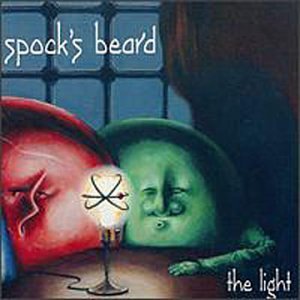
Spock's Beard - The Light

While I've heard a song or two, most of what I know about Spock's Beard is the one Pattern-Seeking Animals album I reviewed.  (Apparently, they have five albums now!  When did that happen?)  Anyways, this legendary third-wave prog rock band started with the Morse brothers, Alan (guitars) and Neal (vocals, keyboards).  It was originally just supposed to be the two of them, but by the time they got recording, they had picked up Dave Meros on bass and Nick D'Virgilio on drums.  The result is some pretty iconic third-wave prog rock, even if it is maybe trying a little too hard.

The album starts with "The Light," which has been the band's signature song since it came out, and I can see why.  It's a very dramatic piece with a lot of changes, including one that's full-on Latin fusion.  Dream Theater's influence is notable, though Spock's Beard is certainly not metal, but the songwriting of shifting between sections does have that feel.  In fact, these sudden transitions is pretty consistent through the album.  As a result, it does make it a rather unpredictable listen, but at the same time, I do wonder if it isn't too much.  They have plenty of neat little ideas, but instead of giving any of them time to expand, it's off to the next section.  I think I would have liked to hear them explore these ideas more, but I suppose this isn't that kind of band, and they do have some neat little callbacks.  The big epic "The Water" is much the same way, going over 23 minutes and several genres and styles.  However, it does come together like a Pink Floyd song, featuring a small choir of female singers to croon and wail along.  "On the Edge" is probably the most consistent song, but it is also only 6 minutes long, the shortest on this four-song album.

It's definitely an interesting collection of music, taking the prog rock that inspires them and making it relevant in a later decade, and I think they sorta make it work.  Again, I am bugged by the constant transitions (I wonder if this is where Haken gets it from), but that could be a matter of taste.  The material is performed well by all members, and establishes a solid baseline to build on from here for more prog rock adventures.

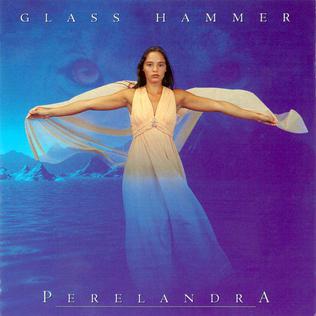
Glass Hammer - Perelandra

I checked out this band's first album a few years ago, and while it may have had some peculiar synths, it had some decent songs about Aragorn's adventures around Middle-Earth.  Two years later, they come back with another album, now about the works of C.S. Lewis (which I admit I am not as familiar with).  This time, they draw upon a wider prog palette, making them more in line with their third-wave peers like Spock's Beard and The Flower Kings.

Right off, the synths are better, and I think the production, while still not perfect, has improved as well, making these songs sound very lush and Yes-like at times.  This is most apparent in their first full song (after the strange intro track) "Time Marches On."  I felt there was a significant increase in Wakeman-like synth runs and Squire-like basslines compared to the previous album.  Of course, their ELP influence is still around, mainly on the instrumental pieces like "Felix the Cat" and the title track.  The rest of the album is a little all-over-the-place, but it all flows pretty well.  "That Hideous Strength" is probably the biggest jump in style, with it's near-industrial vibes, making me think of Pink Floyd at its darkest.  I have to say the keyboard work is probably the highlight, though I have no idea which parts are by Fred Schendel or Steve Babb, as I understand they're both jamming on the synths along with all the other instruments they play.

This is quite the improvement over Journey of the Dunadan, largely because it feels more consistent, though I do think the shorter tracks are a bit odd.  "Time Marches Out" is a great starter, and "Heaven" serves as a solid closer, getting rather triumphant after the defeat of evil in the previous tracks.  While I don't know if they've reached any kind of peak with this album, I can definitely hear them starting to put the pieces together to become their own thing, and look forward to when I can take the time to listen to more of their work.

Saturday, July 12, 2025

New Releases - July 2025!

Once again, time and the summer heat have nearly gotten the best of me, but I've been able to squeeze in time for some modern releases!  I've got a bit of everything this time, as I'm trying to catch up with what's come out this year (I'm so far behind!).  In any case, here's what I've been jamming out to lately!

Robin McAuley - Soulbound

This guy certainly has something going with Frontiers Records, this being his third album in five years.  (And that doesn't include all the other projects he's doing, like Black Swan!)  I enjoyed the first one a lot, but was underwhelmed with the second album, and this new one seems to fall in between.

The album starts off pretty rough, as the first few tracks feel oddly stiff.  There's some interesting riffs, but nothing feels particularly alive.  Then, in the middle, there's suddenly a shift and they pick up some Whitesnake-style energy with "Crazy," "Let It Go," and "Wonder of the World."  At that point, it's like the album loosens up, and they start having fun.  The rest of the tracks are some decent AOR, but not as strong as those songs in the middle.  "Wonder of the World" is easily the highlight of the album.  Still, it was an interesting journey, and maybe this album will grow on me with more listens, but overall, it's a bit off-kilter.  It's always hard to know how these label-driven projects can turn out after a couple of albums, but at least Robin has a place to really let his voice soar, as it's aging pretty dang well.

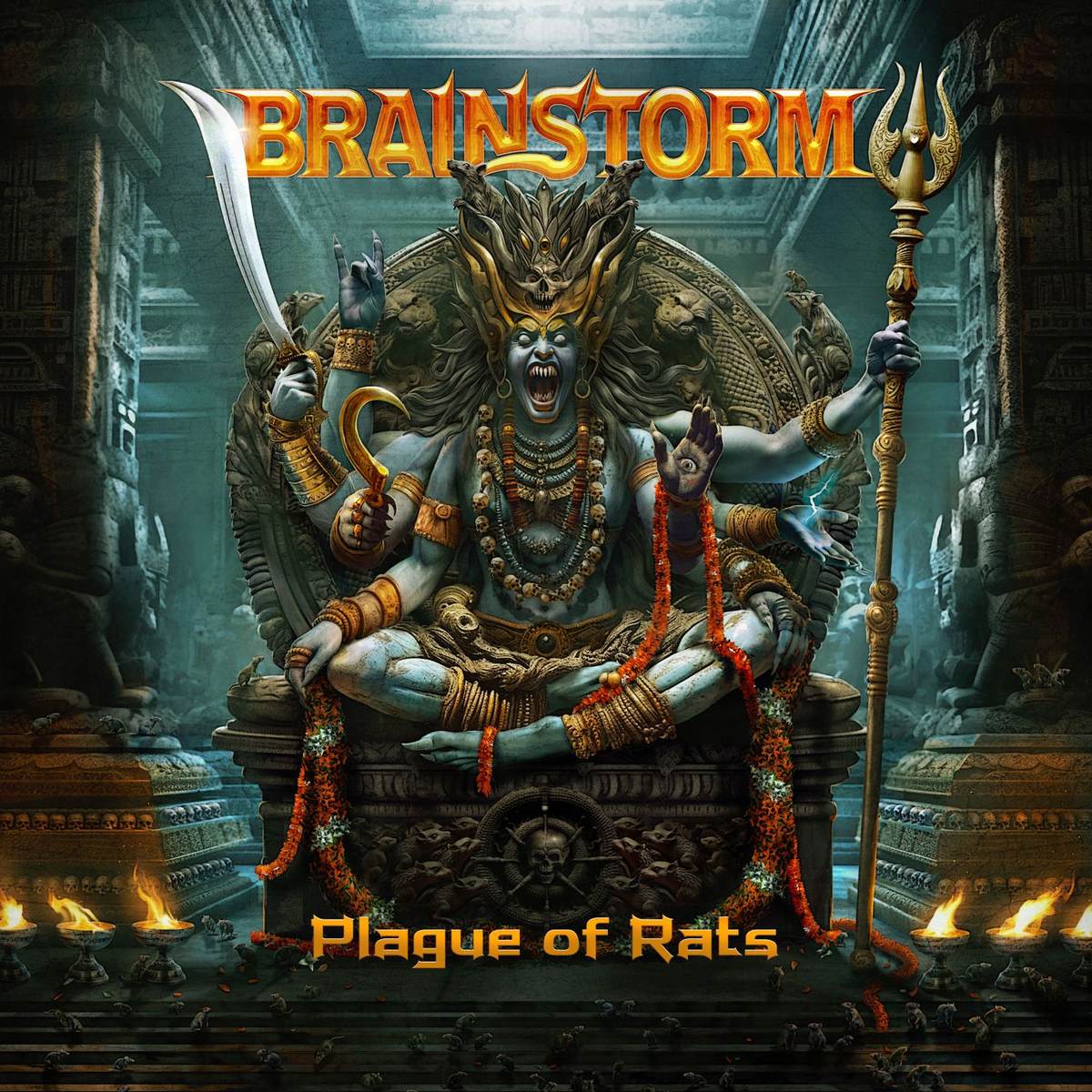
Brainstorm - Plague of Rats

After enjoying their last album so much that it squeezed into my Top 5 for that year, I figured I should keep my eye on them for what they do next after the solid Wall of Skulls.  While they do have a new bassist for this one, it's pretty much business as usual as they pound out another enjoyable slab of heavy/power metal.

Based on the album cover, one would expect songs based on the Hindu religion and its lore, and there are a few songs that do that, but this is not a concept album.  As things go on, the songs shift to other themes, like darkness, redemption, and memories.  Still, the handful of songs that do have that Indian theme are interesting, featuring some folky instruments and melodies.  Otherwise, the band sticks to what they do best, which is crunchy riffs from Milan Loncaric and Torsten Ihlenfeld, pounding rhythms from Dieter Bernert, and the gritty, soaring vocals of Andy B. Franck.  

Overall, it's another pretty solid album, though I do think the standout tracks are the faster ones, like "Beyond Enemy Lines," "False Memories," and "Masquerade Conspiracy."  The Indian themes provide a bit of an interesting twist, but it feels underused, as the band gets back to business as usual as the album progresses.  I don't know if this is quite as good as Wall of Skulls, but the consistent quality of Plague of Rats might help it squeeze into my Top 5 once again.  We'll see when I get to that at the end of the year.

IQ - Dominion

After enjoying a handful of their albums, I figured I should check out their latest in melancholic prog.  With the same lineup they've had for the past 14 years, IQ have provided another introspective suite of synth-heavy rock with tons of spacey ambience.

Things start off big with a 22-minute epic titled "The Unknown Door."  It starts off rather somber, with some symphonic elements that add a cinematic tone to things.  However, once the song reaches Part 2, the band really gets going with some interesting transitions between the somber and upbeat sections.  After that, the rest of the album generally maintains the synth-driven sound.  "One of Us" is really the only track without any dynamics, probably because it's so short (relatively speaking).  It's a nice piece of folky introspection before the rest of the album carries the listener on a journey.  While I don't think this is a concept album, the lyrics generally focus on abstract concepts, like dreams, fate, ambition, companionship, choices, and consequences.  I admit the lyrics were a little harder to follow on this one, but they never felt out of place with the music, which the band plays with confidence.

This one is going to take a few listens before I can decide how I really feel about it.  There isn't as much rock as I've heard on previous albums, focusing instead on a lot of synthy atmosphere, and such albums need time to really soak into them.  While I like most of what I heard, with "Far From Here" being the standout, I did wonder if the synths dominated the mix a little too much, giving the songs a bit of a post-rock vibe.  Still, it's definitely more IQ, and their iconic introspective sound continues to drift between low and high energy with ease, perhaps with a softer touch this time around.

Monday, June 30, 2025

Top 5 of 1985!!

Well, this took a lot longer than it should have!  Turns out that there's a lot of rock and metal for this year, most of which was decent, but not amazing, so it took quite a few listens to figure out where to rank things.  While I do have an obvious winner (or two; I'll explain), the rest of the list was not easy, but eventually I decided I couldn't listen to everything and had to cut things off and choose.  I'm not as confident in this list as I am about the previous ones, but I have to move on.  So, for now anyway, here is my Top 5 for this quirky year.


5. Dio - Sacred Heart

It was tough to decide fifth place, as I was considering everything from Ratt and Accept, to Rush, but Dio's grandiosity won out.  It's not as strong as his first two solo efforts, as the band was starting to fall apart at this time, but you wouldn't really know it from the music.  Perhaps cheesy at times, but still a good amount of fun.


4. Asia - Astra

Once again, it's a drop off compared to this band's first two, as the inclusion of Mandy Mayer of Krokus pushed the band in more of an AOR style, but I think they make it work.  It's not as rich or proggy as the earlier albums, but there's enough of the classic Asia sound for me to put it up here.


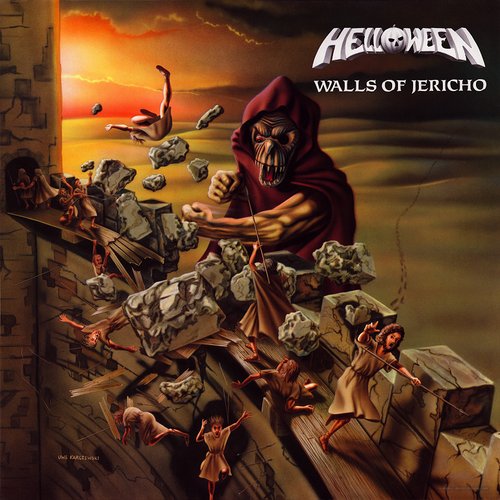
3. Helloween - Walls of Jericho

As far as I'm concerned, European power metal started here.  Yes, it's a very rough album, mainly in classic speed metal territory, but careful listening shows the first steps of epicness, between the neo-classical riffing and Kai Hansen's wailing vocals.  While the band would definitely do better from here, picking up Michael Kiske, but I still find plenty of this iconic band's charm on their debut.


2. Dire Straits - Brothers in Arms

If there was an album that really defined 1985, it's this one.  Pushing their roots rock sound toward more commerciality, only to land on MTV's most sarcastic hit with "Money for Nothing," the band was thrown to the forefront of music listeners around the world.  Fortunately, the rest of the album is solid as well, with the somber title track, the easy-going "So Far Away," and my favorite from the album, the nostalgic "Walk of Life."  While the band had succeeded before, this album made them superstars.


1. The Alan Parsons Project - Vulture Culture/Stereotomy

Okay, so maybe I'm cheating here, putting two albums at number 1, but when they're both by one of my favorite bands, I was left with a hard choice?  Do let them take up two slots on a top 5?  Do I drop one in favor of the other?  Or maybe I just insist that it's my list and so I can make my own rules!  Seriously, though, this is some solid songwriting from a talented core of people.  The first carries on the formula of the previous two albums while the second sees them experimenting again a little.  While I do think Vulture Culture is the better of the two, Stereotomy is no slouch and has plenty of catchy melodic rock to enjoy.  Again, nostalgia plays a major role in putting these two albums at number 1, as I grew up on this band, but I can't think of any other album that can overtake either of these two for 1985!

Friday, May 16, 2025

Retro Reviews - 1985 Edition!

Well, I have to admit I'm having a pretty slow month.  Hayfever hit pretty hard, and I'm realizing that I have a lot of gaps in my 1985 list, so I'm going to have plenty of retro review articles for this year as I figure out my Top 5 (which might be delayed as a consequence).  I decided to start things off by getting into the neo-prog scene, so here are three reviews of albums that have some interesting takes on what 80s prog rock was doing.

Pendragon - The Jewel

I admit I gave this a shot purely on the notion check out a new band from the neo-prog era.  I saw their name on a list, saw that their debut was in 1985, and gave it a listen to see if it had a chance at being in my Top 5 article.  While they toured with Marillion quite a bit at this time, they definitely sound more like Asia or Drama-era Yes, with some 80s Rush-style AOR here and there.

The album starts with "Higher Circles," which honestly feels like a single, with it's typical structure and bouncy rhythms.  It's not bad, but certainly not indicative of the rest of the album with it's more complex prog rock ideas.  The next track in particular, "The Pleasure of Hope," is just under four minutes long but has some curious energy shifts.  "Leviathan" is where I think the band finally stretches out and finds their strengths, and "Circus" really lets the synths build quite well.  While he would only be on this album, keyboardist Rick Carter gives the band a good, atmospheric wall of sound, and trades solos quite well with Nick Barrett (the guitarist and singer).  Speaking of which, I think Nick sounds a lot like Greg Lake, his unique English accent piercing through the songs.  The album closes with its longest song "The Black Knight," at nearly ten minutes long.  Here, the band leans into more somber, Pink Floyd style, and shows a lot of their unique dynamics and thoughtful melodies.

Going in rather blind, I was pleasantly surprised by what I heard.  While they were (unsurprisingly) very 80s, they don't feel stuck in one style or another, and blend their influences and ideas together well.  "Leviathan" and "Circus" were the two that stood out the most for me, largely because of Peter Gee's melodic bass work making me think of Chris Squire (which is always a good thing in my book).  I'll need to listen to this a few more times to decide how I really feel about it to rank it, but upon first impressions, I found plenty to like!

Marillion - Misplaced Childhood

While their first two albums were interesting works, if a bit messy at times, the band found their stride with this one, not only maturing as song-writers, stretching their ideas into concept albums and tracks that segue into long flowing pieces across the album.  It also ends up being their breakout success, largely through "Kayleigh" becoming a hit single.

Inspired by Fish's life (and an acid trip), the album focuses on lost love and lost innocence, but also in finding it again and being revitalized.  The band carries these ideas well, keeping to their blend of influences, though I do think their Pink Floyd side was much stronger this time around.  While the big hit "Kayleigh" is a standout, the whole album is actually quite good, without really having any low points (and Fish seems to be less whiney this time around).  The short tracks almost serve like intermissions or segues, and each side feels like a long, winding prog epic, with interesting twists and turns, again much like Pink Floyd.

It really feels that everyone in the band is more in sync with each other now, as the rhythms and melodies flow well between high and low dynamics, though for much of the album, the tone stays pretty somber.  It's not until the end that the mood improves and Fish gets rather optimistic about things.  I don't know if it's better than Clutching at Straws (I should relisten to that again), but Misplaced Childhood is a definite improvement for the band.

IQ - The Wake

To round out this article of 80s neo-prog, I decided to listen to IQ's second album.  I checked out their debut album last year and found it interesting, if a bit messy.  However, even in just a year, the band starts to settle into their unique brand of dramatic melancholy.

Once again, the production is a bit dated.  They're trying to get this wall-of-sound style to work, and it mostly does, but it sometimes gets muddy, and vocalist Peter Nicholls often gets buried in all the synths, but I was able to get used to it eventually.  This album gets more atmospheric than the debut, which becomes a staple of the band's sound (at least, from what I've listened to).  Things start pretty spacey with "Outer Limits," as it has a long intro and some interesting rhythmic changes.  I liked "The Magic Roundabout" with it's Yes-like blend of jazz and classical (though I do wonder if that wasn't intentional, considering the title), and "Widow's Peak" goes through some interesting dynamics as well.  The shorter songs were more poppy, but I liked the energy on "The Thousand Days."  While it makes for some decent variety, the tracks all blend well with the style they're building for themselves.

Overall, this is definitely an improvement over Tales from the Lush Attic, mainly because this album feels more whole and consistent.  There are some neat little melodies, and Martin Orford gets plenty of work layering all those synths and organs.  While I can imagine this getting lost in the cracks while Marillion found success, but it very much marks when this band started to codify their iconic sound.

Wednesday, April 30, 2025

Top 5 of 1980!!

I'm certainly having a busy spring, putting out all these articles.  There's just so many different bands and albums I want to get to, partially because of all these Top 5 pieces, and I'm enjoying the ride.  However, let's stay on track with this one, which was not easy to decide, let me tell you.  Even for my Anniversary Article, I talked about how good this year was, and in reviewing this year, that feeling has only gotten stronger!

The first, second, and third came together pretty quickly for me, but for fourth and fifth, it was a struggle.  With Rush, Journey, Ozzy, and Saxon all in the mix, providing solid albums, I had to do a lot of relistening to decide who would make it and who wouldn't!  However, the biggest heartache has to go to Def Leppard's debut album.  So many good, clever songs with catchy leads and choruses, but unfortunately, it wasn't enough to squeeze into a very packed Top 5.  So what made it?  Keep reading!


5. Black Sabbath - Heaven and Hell

I remember when I first reviewed this album, I was impressed.  Dio's time with Black Sabbath was pretty unique, blending the iconic singer's flair for the dramatic with Tony Iommi's massive riffing, making for a very memorable album.  Listening to it again, there were all these little moments that really elevate this album beyond the ones that didn't make the cut.  It's just those last few songs that keep it from getting even higher.


4. Judas Priest - British Steel

When I first listened to this album, I was actually not that impressed.  Sure, the two big singles were great, but I felt that the rest of the album was just okay.  Going back to it now for this article, I have no idea what I was thinking.  This is front-to-back solid, classic Priest to a T, with plenty of great, catchy songs and riffs.  


3. AC/DC - Back in Black

Of course this album is up here.  You know it's great, so I won't bother with the details.  As tragic as the passing of Bon Scott was, you can't deny that the band bounced back well.  We all still hear most (if not all) of these songs on the radio, and for good reason.  Catchy, memorable, hard-hitting, no-frills rock and roll by musicians who have mastered their craft.


2. The Alan Parsons Project - The Turn of a Friendly Card

So here's where the nostalgia kicks in.  I've mentioned before that I grew up on this band, so they were going to rank high, no matter what.  Here, we have them focusing on the themes of gambling and its consequences, while still giving a very solid set of catchy songs that have been ingrained into my DNA.  The basslines in particular are strong, and the album never seems to lose its luster after these years, thanks to the brilliant production of Parsons himself.  The only reason it isn't number 1 is because my favorite band also put an album.


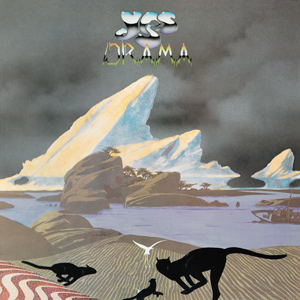
1. Yes - Drama

Drama is certainly an odd album, considering the circumstances.  Bringing the Buggles on board certainly changed up their sound, bringing new wave sensibilities to their classic prog style.  The result is a very crisp album with some fresh new synths from Geoff Downes, and a mind-blowing rhythm performance from Alan White and Chris Squire.  The album wasn't a hit at first, but over the years, Yes fans have come to accept this dark horse in the catalog, and frankly, it's one of my favorites.  I promise Yes won't always come out on top with these lists, but when they release albums like this, I can't help myself!