Showing posts with label Blue Öyster Cult. Show all posts

Monday, March 30, 2026

Retro Reviews - March 2026 Part Two!!

As I'm working through 1976 and checking albums out, I decided to split my reviews into two articles.  Last time, I focused on more hard rock bands, while this one has more proggy or weird rock bands.  Of course, prog was pretty much phasing out at this point, with many bands streamlining their sound to be more like the melodic rock of the times, so maybe these differences are just my own hair splitting.  In any case, here's what I've been listening to lately!

Druid - Fluid Druid

After checking out their debut album last year, and finding it to be rather pleasant, it's time to check out their second and final album.  Of course, being a prog rock band in 1976 was not easy, and so they mixed in a variety of ideas to spice things up while retaining many of their Yes-like qualities that they had before.

I think the best way to describe this album is that they're trying to be too quirky.  There are times where the proggy sections feel jarring and forced, like they were put in out of obligation.  While the first album focused on a united sound and atmosphere, here the songs are much more singular, like the instrumental "FM 145" being very bouncy, "Nothing But Morning" going for this dramatic Queen-like song, and "Barnaby" getting into a reggae groove.  "Crusade" certainly has some curious transitions, but it's so disjointed to really follow.  "Kestrel" is also a mess, despite being much shorter, and the closer "The Fisherman's Friend" feels like a joke song that doesn't really land.

Despite my criticisms, there are some decent pieces here.  The album starts off well enough with "Razor Truth" and "Painters Clouds."  They both have the more Yes-like style, like the material from Toward the Sun, and "Left to Find" starts off with a mysterious low synth before building up the instruments in a pretty satisfying way.  Dane in particular feels more confident, as he's not straining his voice quite so much, and his guitar work is pretty decent.  Neil Brewer retains his Squire-like basslines, and the rest of them play well, despite the awkward songwriting.

However, these good bits are just part of the junk drawer that this album assembled itself from, making this the weaker of their two albums.  From here, the band would break up, and its members would work on various other projects and groups over the years.  It's a bit of a shame as I do think they had some good ideas.  If they could have taken a break to refresh their minds and worked on another album, I think it could have been solid.  However, like I said, prog was in a weird place, and if you already didn't have a decent sized fanbase by this point, it would have been a struggle to continue.

Genesis - Wind and Wuthering

It's been quite some time since I last reviewed a Genesis album!  As I mentioned on those articles, I struggle with the Gabriel-era material, but now that I'm into the beginning of the Collins-era, I'm hoping I might find more to like (other than the usual handful I hear on classic rock radio).  While it does have some decent ideas, this is one mellow album!

Much of what they started on Trick of the Tail is here, as there is only one song over 10 minutes, and many shorter ones.  However, there certainly is an increase in synths, as Tony Banks gets rather orchestral in arranging all the different tones and pads he uses, along with the organs and pianos.  This gives the album a very cinematic feel, and the lyrics often carry that tone.  The album starts with the energetic "Eleventh Earl of Mar," based on a book about the Jacobite Rebellion in Scotland, "One for the Vine" is about someone ending up as a chosen one without wanting to be, and the pair of instrumentals that make up "Unquiet Slumbers for the Sleepers...In that Quiet Earth" are based on a line from Wuthering Heights.  They even tell a unique story with "All in a Mouse's Night," with the rodent waking up the humans and running into a dangerous cat!

Unfortunately, much of this album sticks to a slower, more somber vibe, and I found myself struggling to stay interested.  Banks keys do kinda overwhelm the album at times as well.  I liked "Eleventh Earl of Mar" and "...In That Quiet Earth" for being more upbeat, but otherwise, this is soft rock as much as prog, and while that's not necessarily a bad thing, I found it hard to really connect to sometimes.  As it would turn out, this album is the last they did with guitarist Steve Hackett, as he felt his contributions were being set aside in favor of Tony Banks' pieces, eventually compelling him to leave.  After hearing the album, it sounds like it was a pretty valid criticism.  I didn't hate the album, but it was on the wrong side of lackluster.  Maybe it will improve with more listening, but for now, this hasn't turned me into a Genesis fan.

Blue Öyster Cult - Agents of Fortune

To be honest, I've listened to this album before, but since I have been going through their discography lately, I figured I should squeeze this one in before I moved on to the rest of their albums.  I'm a big fan of "(Don't Fear) The Reaper," and I was kinda hoping the rest of the album would be just as dramatic and mysterious, so I was a little bummed to discover that it was mostly some pretty straight-ahead rock 'n' roll.  However, now that I'm giving it a second chance (and with the wider context of their previous albums), I can see this is very much a transition album for them, streamlining their songwriting to something much more punchy and conventional.

As usual, they do like to shift their style around from song to song.  Things start off with a pretty standard rock 'n' roll pair of songs, but they have some grooves later on, and even get sentimental at times.  Otherwise, "Buck" Dharma is still noodling along, his guitar solos really being solid across the tracks, and the song writing definitely settles into some familiar forms, letting the lyrics do most of the weirdness.  (I had totally forgotten that Patti Smith was on "The Revenge of Vera Gemini"!)  As for stand outs, "This Ain't the Summer of Love" has some decent chugging energy, and while "E.T.I. (Extra Terrestrial Intelligence)" starts with a weird riff, it quickly settles into a neat song that feels like it came out of a tabloid.  The spooky vibes continue with "Sinful Love" and "Tattoo Vampire," but then it gets rather serious for the end of the album.  "Morning Final" is about a random murder in the streets, and "Debbie Denise" is about a struggling, one-sided relationship.  This album is certainly all over the map.

And then there's "(Don't Fear) The Reaper."  This is pretty much the song that made me want to listen to more of the band.  Starting off with that iconic riff before settling into a thoughtful, dark tone, contemplating death and coming to terms with it.  Then the bridge outright explodes into a great guitar solo by "Buck," letting the feedback linger into the next verse.  An absolutely brilliant song.  Sadly, the rest of the album doesn't hold up to that level of quality, but I can see that it is a decent rock album that sees the band changing without losing their identity.

Triumph - In the Beginning

When we think of 70s hard rock trios from Canada, we generally think of Rush, but Triumph soon followed after and had quite a respectable career north of the US border.  I was only ever loosely aware of them, so I'm taking my next Top 5 article as an opportunity to check out their debut.  (It was originally just self-titled and had a different cover, but I like this re-release version better.)

The comparison to Rush is a little unfair, as this album has much more in common with fellow country-men Bachman-Turner Overdrive with some Led Zeppelin for good measure.  The result is some hard rockin' music with decent variety, with Rik Emmett's excellent shredding all over the place.  They mess around with a talk box on "Be My Lover," "Don't Take My Life" has some neat dynamics, switching between electric and acoustic guitars, "Easy Life" has a bluesy groove, and the "Street Fighter" pair a songs going from heavy metal in the first part to a somber, cinematic vibe in the "Reprise."  Even the opener "24 Hours a Day" starts off with this ballad-like style before going into some straight party rock.  The other songs are a little more generic, but are played with good energy, and the closer is where they tap into some prog, as "Blinding Light Show" goes from an aggressive noodly riff to a somber anthem before dropping to the classical guitar of "Moonchild."

I feel like the Y&T album I reviewed last time feels similar to this, but Triumph definitely has better songwriting.  I know I often say that debut albums show promise, but this is some very good rock music right from the start!  I liked the more dynamic songs like "Don't Take My Life" and "Street Fighter," and "What's Another Day of Rock 'n' Roll" made me think of "Black Betty" by Ram Jam with that scratchy riff.  The epic closer is solid as well, probably the most Rush-like song on the album, and I was overall satisfied with what I heard!  I'm definitely looking forward to their next one, whenever I get around to it!

Saturday, February 17, 2024

Retro Reviews - January 2024!

Alright, now that the Top 5 of 2023 is behind me, I can focus on looking ahead, which means more classic rock and metal?  Like I said before, I'm going to be splitting my reviews between classic and new albums, and this will be first of the former.  Of course, I have more Anniversary Articles ahead of me, the first being for 1974, so I've got a handful from that year as well.  Here's what I've been listening to lately!

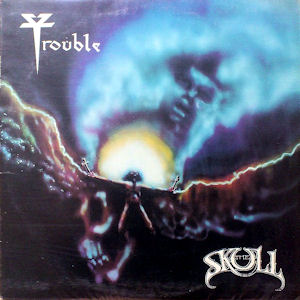
Trouble - The Skull

Trouble is often considered one of the pioneers of the doom metal subgenre.  When I heard their first album, it felt like a standard small label traditional metal release.  However, the doom really comes out on The Skull.  Many of these songs were being worked for quite a while before they recorded them here, but they come together quite well to make a solid, if clunky, album.

The production is actually pretty clean, not really having the thickness often associated with doom, so it feels a bit stripped down.  But the riffs are certainly there, and Eric Wagner's haunted singing helps to bring the atmosphere along with the slower tempos.  However, I don't know if this really made me think of the likes of Candlemass so much as it did early Savatage, but that might be because Wagner's voice has a charismatic grit that feels similar to Jon Oliva.  As for the songs, they shake things up quite a bit around their chunky sound.  While they bring out some great, slow riffs and melodies, they are often broken up with some mixed-meter riffing and tempo changes.  Some of it works, but at times, it does feel like they just decided to throw in the odd section for its own sake.

Still, I enjoyed listening to it, as it does create it's own vibe quite well, and the solos are diverse, going back and forth between melodic and shreddy.  While it may be a bit long, "The Wish" was certainly interesting, especially when the chorus finally comes, it makes me think of Metal Church's first album.  "Wickedness of Man" has some interesting change-ups in their formula, and "Gideon" is weirdly uplifting, which isn't typical for doom.  Some of the biblical themes might be off-putting (though I wasn't bothered), but they mostly fit their sound and don't come across as preachy so much as yearning to make sense of life.  In any case, it's certainly a doom metal classic, and while I think later bands would make improvements to the style, this was definitely a significant step forward in helping to define the genre.

Boston - Third Stage

Boston is one of those bands that feels like they blew up and then just fell off the face of the earth (though there are good reasons for that).  Their first album is a classic rock masterpiece and their second was a decent follow up (though maybe a little lackluster), but then they got embroiled in legal drama and other setbacks, pushing their third album to 1986.  While I had heard "Amanda" on the radio before, I figured I should finally check out the rest of the album, only to discover that they've really drifted into AOR, with a lot of power ballads.

That's not to say this is a bad album.  There are plenty of solid moments, featuring their iconic vocal harmonies and dual guitar melodies.  However, I can tell that they've lost a step.  I know that the lineup changed, with only singer Delp and guitarist/writer Scholz the main ones still around, but it seems the bright, energetic spirit of the first album is a distant memory in favor for stadium filling soft rock anthems.  I know it's the 80s, but I think I would have liked to hear the band get back to their proggy, 70s flourishes that made them such a big deal when they debuted.  Sure, they do some instrumental sections with transitions, and the album does flow well, but it's hard not to feel like this is "diet Boston."

Uriah Heep - Wonderworld

Can you believe I'm already on their seventh album?  (You can check out the Uriah Heep tag to see my reviews of the other sixth.)  Anyways, they really are just doing more of the same, though I suppose there is less of a fantastical feel to what they're doing.  Still, they maintain their Vanilla Fudge/Deep Purple inspired sound for another set of songs, though I admit these albums are starting to blend together a little.

Still, there are a few stand out moments.  "Something or Nothing" feels like a callback to "Easy Livin'," and "Dreams" even references "Sweet Freedom" from the last album.  However, what caught my attention the most was "Suicidal Man," with its aggressive, proto-metal riffing!  I'm not sure what the band was going through to write that one, but it's definitely one of the darkest songs I've heard them do so far.  Otherwise, the rest of the album is some solid rocking, though I did think "The Easy Road" was kinda cheesy, and the bluesy stop of "I Won't Mind" got repetitive.  I know this band is one of the unsung heroes of the 70s, but it's hard not to feel like most of this album is more of the same.

Blue Oyster Cult - Secret Treaties

Once again, I'm giving the Cult another shot by checking out their third album.  Interestingly, the lyrics were all written by guests, but they're just as weird as anything else they've done.  I don't know if I would have noticed if I hadn't looked it up.  Musically, compared to their first two, this one definitely sticks to a stronger blues-rock core, without as much deviation.

Most of this definitely feels like leftover 60s psychedelia with some 70s rock techniques and noodles.  I admit most of the album didn't really click.  Most of the middle tracks felt like weirdness for its own sake, which is not always easy for to get into.  I will say that "Career of Evil" was kinda fun, like if a Bond villain was in a musical.  However, at the end of the album, things really picked up.  "Harvest of Eyes" had an interesting 6/8 blues groove, "Flaming Telepaths" had a decent chorus and some good synth work, and "Astronomy" was a solid closer, starting off moody then building and dropping a few times before getting to the big ending.  (Of course, I was familiar with the last song due to Metallica's cover, but I can definitely see why they covered it, as it matches their sense of moodiness.)  So, after some middling rock songs, the album ends pretty well!  I don't know if I've quite gotten on board with this band, yet, but some of the potential they showed earlier is starting to show up.

Scorpions - Fly to the Rainbow

As I mentioned in my review of their first album, the Scorpions broke up only to reform around Uli Jon Roth's Dawn Road.  With only Klaus Meine and Rudolf Schenker carrying over, this album definitely has a different sound, one that is much more stripped down to some pretty straight-ahead 70s rock.  While Roth's guitar work is pretty incredible, both getting in some shredding as well as some melodic solos, the album really just plods along, keeping things relatively basic.

There is still a bit of a hippie flair to things, especially with the hammond organs in the background, but the psychedelic spacey elements are replaced with a lot of guitar solos, which are good, but does make the songs stand out less.  Part of the problem is that they tend to be kinda repetitive, repeating a lot of ideas.  I did pick up on a bit of a prog rock influence, as a few sections made me think of early Yes or classic Pink Floyd.  The nine-minute closer "Fly to the Rainbow" has a lot of these elements pulled together into one song, and is probably the best song on the album.  If there is one thing that's consistent with the first album, it's Klaus Meine's vocals, as he sounds great here again (though he curiously shares lead vocals with the guitarists on some of the songs).  While it's a step closer to the sound they would be best known for, I do think this one is pretty drab compared to the debut album as I felt Lonesome Crow had a lot more going on with its songwriting.

Tuesday, February 21, 2023

Last Played - February 2023!

Once again, anniversary articles are dictating my listening habits as I continue to expand my classic rock knowledge base.  While I was kind of planning on getting this out before the 1973 article, things didn't quite work out, but I suppose it's not that big of a deal to have these reviews come out afterwards, as I didn't really talk about the two 1973 albums I review here.  Ovreall, it's a bunch of classic stuff, as I've definitely been in the mood for it lately.  Here's what I've been spinning for the past while!

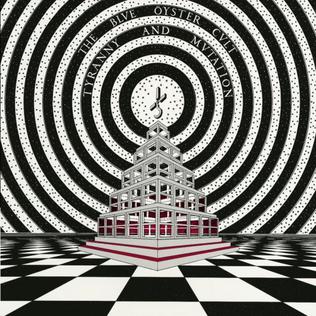
Blue Öyster Cult - Tyranny and Mutation

After doing this iconic band's debut album last year, I knew I needed to follow up with their sophomore effort this year.  Once again, the album is quite the mix of sounds, though I do think there is a stronger blues-rock core to it all, making me think of the Rolling Stones or Steppenwolf at times.

I think there's a little more energy on this album, overall.  The opener "The Red and the Black" definitely sets the tone for some solid rock-and-roll style jamming, which carries on with "Hot Rails to Hell," and "Teen Archer."  Even the more chilled tracks like "Wings Wetted Down" and "Mistress of the Salmon Salt" still retain some doomy power.  In the middle is "7 Screaming Diz-Busters" where they mix it together into a jazz-fusion-styled jam that has them going back and forth between a bluesy groove and and a more uptempo chorus.  And through it all, Buck Dharma is noodling his excellent guitar work from beginning to end.

While the songs are another hodge podge of ideas, and the lyrics are still very strange and esoteric, I do think this one is a bit better in the songwriting, even if they have a tendency to let the songs jam on a little too long at the end.  However, I can imagine them being quite entertaining it see played live, as they have all kinds of spaces for the musicians to add extra touches and licks.  Again, I don't know if I've really wrapped my head around this band yet, but I haven't given up.

Uriah Heep - Sweet Freedom

Yup, I'm carrying on this journey as well.  After binging their earlier albums last year, I'm starting to get a feel for how this band is.  Compared to the last one, I think the band was eager to get back to their comfort zone of big hammond organs and tight vocal harmonies will retaining their streamlined songwriting.

At this point, the band is sounding very 70s.  I don't know if it's a deliberate thing or just a consequence of the production, but this one really did feel like they were picking on some poppier ideas from the time.  While the staples of the band are still here, Sweet Freedom doesn't really have much that the band hasn't done before, really.  The vibes of Deep Purple, Vanilla Fudge, and early Styx come to mind again.  "Circus" goes for a more chilled acoustic vibe, but otherwise, the album maintains a kind of mid-tempo groove, letting Ken Hensley get a lot of work out of his organs and David Byron sail over everything with his vocals.  Some of the lyrics were rather weak, often repeating themselves, and the whole alphabet thing at the end of "Seven Stars" is very baffling.

It's not a bad album, per se, as the performances are good, but it's very standard for them.  I did like parts of "Dreamer" and "Sweet Freedom," as they had some good energy.  "Pilgrim" is a decent closer, with some epic moments and a nice jammy section in the middle, but the ending is a little tedious.  Overall, they have some pretty good dynamics, building things up as they go, but I don't know if the payoffs are particularly strong, resulting in a very average album compared to what they've done before.

AC/DC - Powerage

At this point, my listening of AC/DC is just filling in the gaps that I haven't gotten to yet.  Of course, this one is another solid slab of blues rock that the band put out like clockwork, but I do think it shows a bit of a transition in their sound from the bluesier side into the anthemic hard rockers they're known as the world over.

The album does start a little slow, as the first few songs have some decent grooves, but not much more.  However, once we get into "Riff Raff," "Sin City," and "What's Next to the Moon," the energy picks up and mostly carries through to the end of the album.  Another thing is that they seem to have a better sense of dynamics on these songs than with their earlier albums, often starting with a low, brooding vibe before building up to some big riffs and choruses, clearly foreshadowing the huge hits that would show up on Highway to Hell and Back in Black.  However, I don't know if think this album is quite up to that level of quality.  It's a sign that their clearly building towards something, though perhaps it's more noticeable through the benefit of hindsight.  Still, what we have is decent, as there is plenty of opportunities for Bon Scott to croon over some solid riffs, the new bassist Cliff Williams does a solid job keeping the rhythm down with Malcom and Phil, and Angus Young jams out his solos with his usual reckless abandon.  As ever, it's a hard rock album that goes down easy, just like the rest of their catalog.

Anvil - Forged in Fire

Yup, it's time for the next Anvil album.  Once again, this is quite the step up from the last one, as it feels like they're embracing the 80s metal sound more and more.  While they carry over their Judas Priest and Iron Maiden influences, I'm hearing a bit of Dio-era Black Sabbath in there as well, as well as maybe some of the early glam metal sound.

Right off, everyone is performing much better.  The guitars are fierce and full of energetic solos, the drumming is pounding while still taking time for some solid fills, and Lips is really turning up his voice, channeling Halford many times across the album.  The lyrics also pick up more of the classic metal tropes, including fantasy combat, freedom, and even some social commentary.  Sure, there's still a few raunchy songs, but even those are driven by some interesting riffs.  Two tracks definitely stood out the most: the title track, which has a nice doomy feel, and "Free as the Wind," which has a great metal gallop to boost its anthemic power.

However, I can tell that the band is maybe at a bit of a crossroads.  Part of the songs do have a touch of the early pop metal sound, while still trying to retain the aggression of the NWOBHM style.  1983 was a unique year, not only featuring the success of bands like Quiet Riot and Def Leppard, but also kickstarting the extreme metal with the debuts of Metallica and Slayer.  Anvil seems like it's kind of trying to stand on the cusp of the two styles, as if hedging their bets as to where things are going to in the future.  Still, this album is definitely the best I've heard from them so far.  They haven't quite reached the level of the likes of Judas Priest or Accept in terms of classic traditional metal, but they're getting quite close.


So that's a nice chunk of classic rock and metal.  I know there are several new releases that have come out, but I haven't gotten to them yet, as this older stuff has been my focus lately.  Still, I don't intend to be completely left behind, as I know some big names have made some big announcements.  I don't know when I'll get around to them, but I assure you it's become quite the list already.  Here's hoping I don't get too far behind!  Until then, rock on! \m/

Tuesday, February 15, 2022

Anniversary Series - 1972!

A new year means a new batch of Anniversary articles!  Starting with 1972, we've got some pretty big albums reaching 50.  Rock was definitely expanding at this time, with progressive rock really starting to peak.  However, we also see some early evolutions of metal and hard rock as well.  Let's get into it.

Starting the year is actually a handful debut albums.  Blue Oyster Cult, Scorpions, and Styx would start their storied careers in the first quarter of 1972, with very little fanfare.  Scorpions and BOC were deep in the psychedelic rock style, and Styx was also very proggy, much like an American ELP, even featuring their own version of "Fanfare of the Common Man," which was used as part of a longer track.  However, all three had some of the hard rock crunch these bands would be known for later on.

That being said, the big album for the early part of the year was Deep Purple's Machine Head, which I reviewed nearly three years ago (where does the time go?).  Featuring their future hit "Smoke on the Water," the jam friendly "Space Truckin'," and proto-metal stomper "Highway Star," this album would celebrated years later as very influential for rockers around the world.

As the year goes on, we see many of the major prog rock releases.  Jethro Tull decided to pull a bit of a prank with their satirical concept album Thick as a Brick, which ended up becoming a celebrated masterpiece, despite (or, perhaps because of) the joke.  Pink Floyd would release Obscured by Clouds, a selection of songs the composed for a film that has pretty much since been forgotten if not for the Floyd connection.  I think it's a bit of an overlooked gem, with some neat little songs and spacy hammond organs.

However, the big prog releases came later, with ELP giving us Trilogy, Genesis dancing a Foxtrot, and Yes's titanic Close to the Edge.  Here, we see bands really pushing their song-writing limits, often writing epics that go over the 18 minute range.  I'm sure prog heads have their favorites, but for me, it's all about Close to the Edge and its masterful melodies and arrangements.  An incredible album from start to finish.

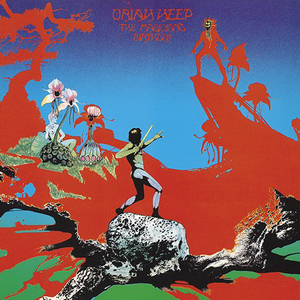
From here, the year gives us a few more highlights.  Eagles would also debut this year with their self-titled album providing several big hits with "Take It Easy," "Witchy Woman," and "Peaceful Easy Feeling."  In harder rock, Alice Cooper would let us know that "School's Out," and Black Sabbath would carry on with drug-addled Vol. 4.  Uriah Heep would release two albums this year, with Demons & Wizards and The Magician's Birthday, streamlining their own sound into a hard rocking outfit (and those Roger Dean covers are nice, too!).

Finally, the year would end with Deep Purple coming back with Made In Japan, a live album that wasn't even supposed to be released outside of it's titular country, but found itself in record players all over the world, with the band's improvisations extending their classic songs far beyond their original track lengths.  I enjoyed this one quite a bit myself when I reviewed it two years ago.

As you can see, this was quite the year for longer rock songs.  Fortunately, they're worth their runtime.  As always, I've got a playlist that has even more, and if you think I've missed something, let me know!  Until then, rock on! \m/

Wednesday, February 9, 2022

Last Played - February 2022!

I know I said I was going to get to 2022 stuff, but part of that are the upcoming anniversary articles, and in preparation of the first one, I'm going to do four albums from 1972!  These are all bands that I've been eager to learn more about and explore their discographies, so I was going to get to these eventually.  Still, these are some fascinating releases, even if some of them didn't really make major waves at the time.

Scorpions - Lonesome Crow

It's kind of weird to think that one of the biggest bands of the 80s had such an early start.  Brought together in the 60s by Rudolf Schenker and playing in a Merseybeat-style, the band would eventually bring in Rudolf's brother Michael and Klaus Meine in 1970 and start shifting toward a hard blues-rock sound.

Right off, this is a definitely far cry from the stadium-filling anthems the band would be known for, as it has a strong psychedelic sound.  Over the course of the album, I got vibes making me think of all kinds of bands from the era, like Cream, Grand Funk Railroad, Led Zeppelin, and some of that early bluesy Black Sabbath.  The songs drift from spacey to rockin' to jazzy and back without too much trouble.  However, the one thing that stands out is Klaus's vocals.  He really belts out some of these lines, showing that he was a great singer right from the start.  I don't know if anything really stood out to me from the album, but it grooves along quite nicely from beginning to end, especially the title track at the end, which is quite a neat jazz-fusion jam that goes for 13 minutes.

Of course, this version of the band would not last long.  Michael would get picked up by UFO, and the band then broke up.  Rudolf and Klaus would join Uli Jon Roth's band Dawn Road, only to change their name to Scorpions, as the name did have some recognition by then, and they figured they could build on it.  Still, it's a decent start for them, and hasn't aged that badly, honestly.

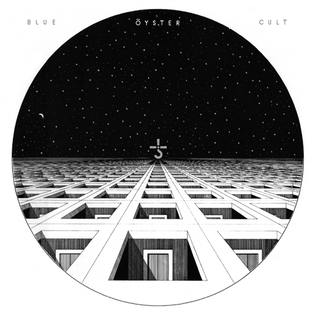
Blue Öyster Cult - Blue Öyster Cult

Blue Öyster Cult is another one of those bands where I know the two big songs, but haven't really dig into their catalog much.  I did listen to Agents of Fortune once, and was surprised to get a variety of songs instead of stuff more like "Don't Fear the Reaper."  Since then, I've learned to expand my expectations with this band.  I tried to keep this in mind as I listened to their debut, which certainly has some different moods throughout.

Drawing comparisons (as I usually do), it felt like a mix of Grand Funk Railroad, early Eagles, and some Deep Purple, all flavored with a song sense of psychedelic mysticism.  Sometimes it would be more rockin', such as "Transmaniacon MC," "Stairway to the Stars," and "Workshop of the Telescopes."  But other times, it would back into more moody territory, with "Before the Kiss, a Redcap" and "Screams."  Then you have "Cities on Flame with Rock and Roll" which has a stronger Sabbath vibe with some King Crimson thrown in.  And then "Redeemed" feels like CCR, with a bit of a folky twang.  However, through it all are some pretty decent performances.  Buck does a lot of great noodly leads on guitar, and Albert Bouchard has some fascinating jazzy style drumming.

However, overall, I don't know if the overall album really hangs together.  I can definitely see the appeal in a rock band that doesn't stick to one thing, but shifts around with different kind of grooves and feels.  But I don't know if I'm quite "converted" to the cult yet.  I'll probably need to listen to more of their stuff (which I plan to, eventually), but for now, this was a decent mix of curious rock songs.

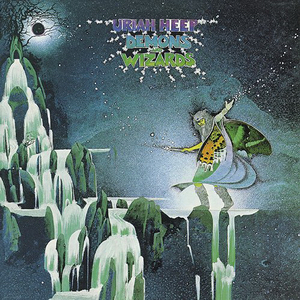
Uriah Heep - Demons and Wizards

Carrying on with my quest of early Uriah Heep, this is just the first of two albums they released in 1972.  It also marks when they finally got their classic lineup together, which would last for the next handful of albums.  Right off, this album is actually pretty different from their previous two, leaving behind a lot of their Purple influences and providing some solid hard rock.

The Vanilla Fudge vibes do remain, though, resulting in songs that feel like a mix of 60s and 70s sounds.  The vocal harmonies are still on point, and Hensley's hammonds are still very much the core of the band's sound, but it does feel like the band is growing into its own now.  "Easy Livin'," is an obvious stand out with its rockin' vibe, but I really liked "Rainbow Demon" with its slower, ominous sound, almost like a 70s doom metal track.  Between the rockers are some ballads with "The Wizard" and "Paradise," which have some singer-songwriter vibes.  I also feel like there's an increase in Pink Floyd influences, with "Paradise" making me think of "Fearless," and "The Spell" having a middle section reminiscent of Floyd's more moody passages, with a very melodic, Gilmour-esque guitar lead.

I can tell they're getting more cohesive in their songwriting, and putting more thought into their songs.  They've also streamlined their style as well, as I felt there wasn't as my jam-friendly moments.  They're definitely talented folks, but I don't know if I was really blown away by anything here.  Still, I'm curious to see where they go from here, and once again, you won't have to wait for long!

Uriah Heep - The Magician's Birthday

Uriah Heep got a Moog!  You can tell because they add all these spacy synths to their songs, like a kid with a new toy.  Seriously, though, this album definitely shows a shift in a spacier direction, as I picked up vibes similar to Pink Floyd and early David Bowie.  Of course, the vocal harmonies from Vanilla Fudge still remain, but I suppose that was relatively standard for 70s rock, by the end.  I still don't know if I feel like this band has their own sound or not, but they still have a knack for some interesting rock songs.

The main thing I noticed with this album (other than the Moog), is even more streamlining in their songwriting.  It really is fascinating how, in three years, their sound went from the jam-friendly Purple sound to this more concise style that feels very FM-radio friendly.  Still, a few tracks stood out.  "Sunrise" is a solid opener with some good dynamics, and "Sweet Lorraine" features more rocking and some interesting sounds from their new toy.  As for the rest, "Blind Eye" had some neat dual guitar leads, and "Tales" reminded me of "Starman" by Bowie.  The big epic title track was also curious, and a bit silly.  It kicked off with a Zeppelin-y riff, threw in a kazoo, had some very awkward transitions, and featured a long middle section that would shift between a guitar solo and chaos.  Probably not their best work, honestly, but the solo had some good moments.  Mick Box certainly has some range in his playing.

However, I think the biggest takeaway I had is just how much of their music made me think of Styx, and I wonder if they were big fans of Uriah Heep as they were starting out, as I can easily see the comparisons: vocal harmonies, hard rock riffs, dramatic lyrics, and dynamic use of keyboards and organs.  As for The Magician's Birthday, I don't think it was as strong as Demons and Wizards or Look At Yourself, but it had some neat moments.


Well, that was fun.  Uriah Heep is band I knew very little about, so blasting through a handful of their albums has been an interesting experience.  I probably need to listen to them some more to really get a feel for them and their sound, but they clearly had a good thing going, and were very influential on a lot of later bands.

Next will be that 1972 Anniversary article, but then I plan to get back into some new releases, or at least music that isn't 50 years old.  Still, I enjoy digging into the past and checking out these kinds of albums, not only for archeological purposes, but to recognize that there is so much more than what gets played on classic rock stations.  In any case, here's hoping to another year of listening to great rock music, past or present.  Until then, rock on! \m/

Thursday, April 15, 2021

Anniversary Series - 1981!

Honestly, it can be difficult to adequately provide a recap for these anniversary articles, as sometimes there is just so much good stuff that comes out in a year.  Suffice it to say that 1981 is another stellar year with great music.  

Things kick off with April Wine's "Sign of the Gypsy Queen," a great rock song that's really grown on me, recently.  At the same time, we have Styx releasing Paradise Theater, featuring massive songs like "Rockin' the Paradise," "The Best of Times," and "Too Much Time On My Hands."  .38 Special would have their big hit "Hold On Loosely" come out this year, and Billy Squier had "The Stroke."

Heavy metal would also have some big releases this year.  Iron Maiden would pick up of their popular debut record with Killers, expanding on their noodly style of metal.  Judas Priest had at tougher time, following up British Steel with Point of Entry, often regarded as a weaker entry, but I still enjoy "Heading Out to the Highway" as solid Priest song.  Ozzy Accept would come into their own with Breaker, which I reviewed earlier this month.

Prog rock may not have been much of a force by this point, but there still some significant albums, though Rush's Moving Pictures certainly stands out, with big hits like "Tom Sawyer" and "Limelight," as well as the fan favorite "YYZ."  Genesis would continue their pop-transition with Abacab, and King Crimson would suddenly reform for Discipline, ensuring that at least someone was exploring the boundaries of rock music.  

As the year goes on, we get even more great rockers.  Blue Öyster Cult recorded Fire of Unknown Origin, with the big hit "Burnin' For You," Journey provided "Don't Stop Believin'" and the epic ballad "Open Arms" from Escape, The Rolling Stones asked to "Start Me Up," and Def Leppard's High 'n' Dry gave us "Let It Go" and "Bringin' On the Heartbreak."  However, the big record for the summer was Foreigner's 4.  With massive tracks like "Waiting For a Girl Like You," "Jukebox Hero," and "Urgent," they showed they were the rock band to beat that year.

Even at the end of the year, it doesn't stop. The Police released Ghosts in the Machine, Loverboy sang out "Working For the Weekend," J.Geils Band had "Freeze-Frame," and The Cars used combined '50s kitsch with new wave sensibilities to Shake It Up.  Metal titans Black Sabbath would follow up their comeback record of Heaven and Hell with the equally solid Mob Rules, Ozzy also had a sequel record in Diary of a Madman with "Over the Mountain," and Saxon provided the NWOBHM anthem with "Denim and Leather."  The year would conclude with AC/DC's follow up to Back in Black with For Those About to Rock We Salute You.  Perhaps not as strong overall as their first with Brian Johnson, but that title track still gives me chills.

So there it is: 1981 in a nutshell.  I know I skipped over a ton of good stuff, and I tried to include them in the Spotify playlist below, but be sure to let me know if I've missed anything.  


Monday, March 15, 2021

Anniversary Series - 1976!

You'd think it would be hard to top 1971, but honestly 1976 is almost just as good.  Lots of great albums came out this year, even if not all of them were massive radio hits.  There's a lot to cover for this one, so I'd better get started!

The year starts with the massive Frampton Comes Alive!, featuring extensive use of the talkbox.  Live versions of "Show Me the Way," "Babe, I Love Your Way," and "Do You Feel the Way We Do" would find their way to rock stations around the world.  Kiss, who also found success with a massive live album last year, would release two albums this year: Destroyer and Rock and Roll Over, the former of which had big hits with "Detroit Rock City" and the ballad "Beth."  Led Zeppelin, while perhaps struggling with drugs and personal tragedies, still proved they still had it with Presence, featuring the epic "Achilles Last Stand."

Progressive rock was on its way out of public favor at this time, but there were still some solid albums this year.  Genesis released Trick of the Tail, which I reviewed late last year.  Rush also came to fruition with 2112, featuring the epic side-long title track that would propel them to the forefront of prog rock and hard rock fans across the world.  The Alan Parsons Project would begin this year as year, with Tales of Mystery and Imagination providing musical adaptations of the works of Edgar Allan Poe.  I also want to mention Starcastle's debut album.  Perhaps a little derivative of Yes, but I think it's a solid album, especially the opening track "Lady of the Lake."

Meanwhile, metal was starting to move toward its iconic sound, with help from Judas Priest's Sad Wings of Destiny, featuring classic tracks like "Victim of Changes" and "The Ripper," and Rainbow's Rising, which saw Ronnie James Dio really go all out on "Stargazer."  Black Sabbath would also release an album this year, but frankly Technical Ecstasy is not the band at their best, as they tried for a more commercial sound as the members were falling apart.

As the year went on, Blue Öyster Cult would tell us to "Don't Fear the Reaper," Steve Miller Band would help us "Fly Like an Eagle," and the Electric Light Orchestra would ask "Do Ya."  AC/DC would continue to perfect their sound with Dirty Deeds Done Dirt Cheap, which I reviewed two years ago.  Boston released their incredible debut album, probably one of the best ever!  With songs like "More Than a Feeling," "Peace of Mind," and "Long Time," Boston would be a staple for classic rock stations in the decades to follow.

At the end of the year, we have two more great albums.  Styx released Crystal Ball, which not only has a great title track, but also "Put Me On," a fun song about listening to rock records that balance the band's classic styles together.  And finally, The Eagles put out Hotel California, which features another great title track, as well as the massive hit "Life in the Fast Lane."

I told you this was a great year!  Honestly, there were others that I left off this article, but I made sure to throw them into the playlist below.  As always, if I've missed some, just let me know!  Until then, rock on!  \m/